Nottingham Stabbing Victim's Mother Brands Killer 'Monster' at Inquiry
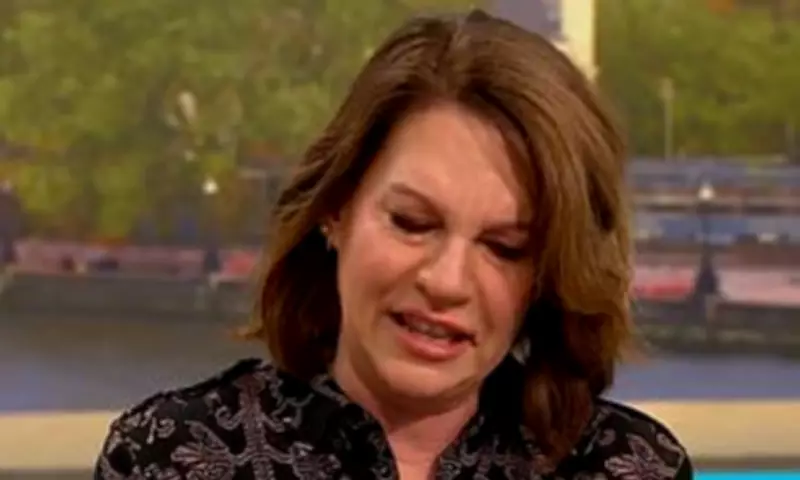
Emma Webber, the mother of Nottingham stabbing victim Barnaby Webber, broke down in tears during an emotional television appearance, labelling her son's killer as 'a monster' who attacked his victims in the most brutal way imaginable. Mrs Webber appeared alongside Dr. Sanjoy Kumar, the father of fellow victim Grace O'Malley-Kumar, on Good Morning Britain today, just before what she described as a particularly 'tough' hearing in the ongoing public inquiry.
Emotional Breakdown Ahead of Inquiry Hearing
Given that she has previously had to leave the inquiry hearings in distress, presenter Paul Brand asked Mrs Webber if she would be able to sit through today's proceedings. Pointing at Dr. Kumar, she responded: 'You're much more able, which I commend you for.' Breaking down in tears, she added: 'I get angry with myself because Barnaby had to go through this horror and I'm his mum. Even now, we didn't realise just how brutal this monster was with them.'
She continued, her voice trembling: 'Like, as a parent the worst thing you could possibly imagine, that's what happened to my child, to his daughter, to Darren, Lee and James's dad [Ian Coates] in the most brutal way. I mean, this is a monster. He was well built, he was planned. And I can't sit in there and hear it and I feel like it's failing Barnaby.' Co-host Kate Garraway leaned over to comfort her, saying: 'You shouldn't be having to.'
The Nottingham Stabbing Atrocity
In the early hours of June 13, 2023, paranoid schizophrenic Valdo Calocane, then aged 31, fatally stabbed University of Nottingham students Barnaby Webber and Grace O'Malley-Kumar on Ilkeston Road in Radford. Calocane, a dual Guinea-Bissau and Portuguese national, then attempted to break into a hostel before flagging down 65-year-old school caretaker Ian Coates, stabbing him to death and stealing his van.
He subsequently drove the stolen van into three people waiting at a bus stop in the city centre, injuring them all and leaving one in critical condition. Approximately an hour and a half into his unprovoked rampage, Calocane was found, Tasered, and arrested on suspicion of murder. In January 2024, he was sentenced to indefinite detention at a high-security hospital after denying three counts of murder and instead pleading guilty to three counts of manslaughter on the basis of diminished responsibility, along with three further counts of attempted murder.
Systemic Failures Under Scrutiny
Nearly three years on from the tragedy, information continues to emerge about how police and mental health services mishandled Calocane prior to the attacks. Mrs Webber told the programme: 'I firmly believe Grace, Barnaby and Ian would still be here had those different officers over both forces done their jobs properly over all of those instances.' The inquiry has previously heard that the devastating killings were the result of 'entirely predictable structural, systemic and individual failure'.
Calocane had been sectioned four times in the three years leading up to the stabbings but was repeatedly released back into the community despite escalating concerns about his deteriorating behaviour. His troubling actions included:
- Visiting MI5 headquarters demanding to speak with officials
- Bringing a hammer to a hospital ward
- Concerns about not taking medication properly after multiple sectionings
His behaviour was so alarming that a doctor warned in July 2020 that Calocane 'will end up killing someone', yet he was discharged just two weeks later. There were multiple occasions where police became involved after Calocane became violent, including one incident where a woman sustained a major back injury after leaping from a first-floor window to escape him.
Missed Opportunities and Warnings
The inquiry has heard that five students moved out of their houseshare after becoming so concerned about Calocane's violent unpredictability. Despite these numerous red flags, he never faced conviction until he carried out his deadly attacks in 2023. Calocane's own mother repeatedly flagged her concerns about her son's behaviour, yet the system failed to prevent the tragedy.
The public inquiry continues to examine the days leading up to the atrocity, with families of the victims seeking answers about how such catastrophic failures could have occurred despite multiple warnings and interventions.