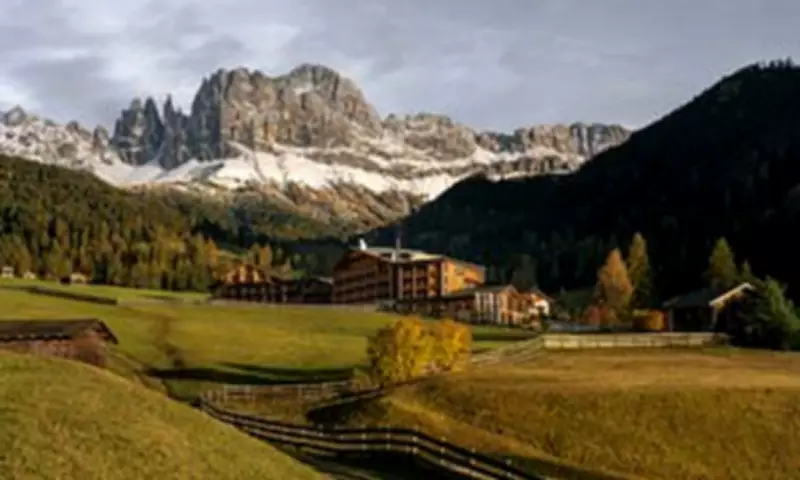
Nestled deep into the Dolomites, Cyprianerhof feels less like a traditional spa and more like an Alpine reset button. After months of cortisol-spiking alarms, busy mornings fuelled by little more than black coffee and sleepless nights tormented by looming deadlines, I arrived craving the kind of reset modern wellness promises in abundance but rarely delivers: lower stress levels, deeper sleep, restoration and a chance to properly switch off.
The goal was simple - escape the relentless pace of London life long enough to reset my nervous system, spend less time doom scrolling and more time outdoors, and perhaps coax my permanently elevated cortisol levels back down. And if there is anywhere designed to make you forget the pressures of modern life, it is here.
Tucked away in the tranquil village of Tires, located in northern Italy's South Tyrol region, the hotel is just a 40-minute drive from Bolzano – the nearest city – with the hotel offering a convenient shuttle transfer directly from the airport. Jagged limestone cuts into impossibly blue skies, making it all too easy to forget the harsh office lighting and constant hum of industrial air conditioning. At 1,200 metres above sea level, the air is crisp, clean and noticeably cooler, and the pace of life intentionally slower.

The tranquil surroundings calm the mind and nourish the soul - but a personalised approach to wellness is also a prime focus. 'That's the compass guiding our holistic approach to wellbeing: your movement, your stillness, your food, your rhythm - everything matters', the team explains. Within hours, the usual low-level hum of stress that accompanies London life already felt noticeably quieter. Guests drift between heated indoor and outdoor pools filled with spring water, panoramic saunas, cold plunges and relaxation rooms scented with pine and alpine herbs.
Boosting your energy and immunity: From sauna to cold plunge
Much of the wellness offering centres around recovery — from cold plunges and saunas to treatments designed to improve circulation and reduce stress. Cold-water therapy, once reserved for elite athletes and hearty Scandinavians, has become one of the world's biggest wellness trends - and for good reason. Proponents of the trend claim plunging into icy waters has numerous health benefits - from reducing inflammation to boosting circulation and strengthening the immune system.
It is, of course, possible to just fill your bathtub up with ice or turn the shower to cold, but plunging into icy waters is definitely easier when you have a sauna just metres away. Combined with sauna sessions, it creates a deeply invigorating rhythm: intense heat, freezing cold, then complete calm - as oxygen-rich blood floods the body releasing tension. Any aches I was feeling from skiing, hiking and Pilates melted away, with the contrast of hot and cold.
And the spa's sauna culture is particularly impressive. There are five in total - ranging from a rustic hay barn boxes to a glass-fronted sauna with breathtaking mountain views. Like cold plunges, saunas also put your body under a form of stress - forcing your circulatory system to work harder. But this kind of stress feels worlds away from looming deadlines and inboxes full of 'circling backs' and Teams meetings.
Research suggests regular sauna bathing may also have tangible health benefits. A major Finnish study published in JAMA Internal Medicine found frequent sauna use was associated with a significantly lower risk of cardiovascular disease. Other studies suggest saunas may help improve sleep quality, reduce stress hormones and ease muscle soreness by increasing blood flow and promoting relaxation. And with just one sauna a week thought to be enough to provide the benefits of muscle and mental relaxation and better sleep, and regular sessions akin to the benefits of aerobic training, it's no wonder I came back feeling re-energised.
Forest bathing
The setting itself does a lot of the heavy lifting. Studies have repeatedly shown that spending time in nature can reduce blood pressure, lower stress and improve heart health. From the spa's numerous pools and saunas, trees peep into view. But many hikes start from the doorstep of the hotel - encouraging people to spend as much time outdoors as possible.

As the last patches of snow melt away, the Dolomites come alive again. Walking through wild landscapes at altitude definitely gets your blood pumping and heart rate up - releasing endorphins - but it also offers me some much needed perspective. And there's research to back it up. One study published in the Journal of Environmental Health and Perspective Medicine found that 'forest bathing' can increase immune cell activity. After spending three days in the forest, participants showed a 50 per cent increase in natural 'killer cells', which fight inflammation and infection.
Treatments
The treatment menu leans heavily into the surrounding landscape, with mineral-rich salts and mountain botanicals featuring throughout. I opted for a full-body ritual designed to stimulate circulation and encourage deep relaxation - and it quickly became clear this was far removed from a standard spa massage. The treatment combined feather-light touch with mineral-rich salts to exfoliate the skin and encourage lymphatic drainage, while warm herbal compresses were pressed into my tight muscles to boost blood flow and metabolic function.
While the word 'detox' is often overused in the wellness world, studies suggest massage and heat therapy can help support circulation, ease muscle tension and lower levels of the so-called stress hormone, cortisol. The focus throughout was on activating the parasympathetic nervous system — the body's 'rest and digest' mode — through slow movements and pressure. Whether it was the massage itself, the warmth of the compresses or simply being forced to properly slow down for an hour, I left feeling noticeably calmer.
Sleep
Even sleep seems deeper here. When we hear about people wanting to improve their health, the answer that's put forward is usually to eat better and exercise more. But sleep is just as important - and something most of us seem to struggle with. Perhaps it's the altitude, the absence of digital overload, or simply the rhythm of days spent outdoors followed by long spa afternoons and bed by 10pm.
Studies show that early morning exposure to sunlight is among the most underrated and overlooked hacks for a better night's sleep - with no supplements, red light therapy or high-tech sleep trackers in sight. Early light signals the brain to stop producing melatonin - the sleep hormone - and triggers the production of cortisol to support daytime energy levels, mood and metabolism. Essentially, having your morning coffee in the can help keep your brain and body on the same schedule - a feat that is near impossible in day to day life.
A recent study of adults in Brazil even found that every 30 minutes of sun before 10am was associated with improved sleep quality. Either way, by the second morning, I woke with that elusive feeling of genuine restoration - with absolutely no desire at all to reach for my phone.
Our verdict
Perched in the dramatic Dolomites, the Cyprianerhof seamlessly blends high-alpine adventure with restorative wellness. Cyprianerhof blends high-alpine adventure with a more grounded approach to wellness. While the world of wellness often leans heavily into restriction, Cyprianerhof takes a more gentle, sustainable approach. There are no punishing juice cleanses or military-style boot camps here. Instead, movement comes in the form of guided hikes, yoga, climbing and forest bathing, while meal times champion seasonal ingredients. Rather than attempting to overhaul your life in a weekend, Cyprianerhof simply reminds you what feeling well is supposed to feel like.