Mandelson Resigns Lords Seat But Keeps Title Amid Epstein Links Scandal
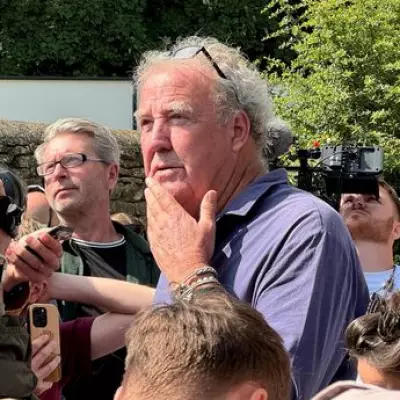
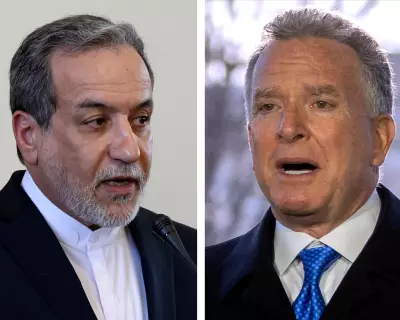
Peter Mandelson has stepped down from the House of Lords following fresh revelations about his connections to the deceased sex offender Jeffrey Epstein. The resignation comes after emails emerged suggesting financial transfers to Mandelson's husband, lobbying activities against US bank reforms on Epstein's behalf during Mandelson's ministerial tenure, and the sharing of sensitive information.
Prime Minister Keir Starmer had publicly indicated his desire for Mandelson's departure from the Lords "by hook or by crook," expressing relief that Mandelson took the hint. Starmer has stated he does not believe it appropriate for Mandelson to continue using his title, yet constitutional constraints prevent immediate action.
Constitutional Barriers to Removal
The prime minister currently lacks the authority to unilaterally remove members from the House of Lords, making Mandelson's voluntary resignation a fortunate outcome for the government. This limitation stems from longstanding parliamentary traditions and specific reforms.
Prior to the 2014 reforms introduced by the Conservative and Liberal Democrat coalition government, removing a life peer was virtually impossible. According to Erskine May, the authoritative guide to parliamentary practice, membership of the House was effectively for life. Peers could not resign, could abstain from attendance indefinitely without losing their seat, and even imprisonment did not technically terminate membership. The House could only suspend members temporarily, with death being the sole automatic termination.
The 2014 and 2015 Reforms
The 2014 changes introduced several mechanisms: voluntary resignation through written notice, automatic removal for non-attendance throughout an entire parliamentary session without approved leave, and expulsion for peers convicted of serious criminal offences with sentences exceeding one year.
Further reforms in 2015 enabled expulsion or suspension following a report by the Lords' Conduct Committee for serious misconduct. However, these processes cannot be initiated by the prime minister, the UK government, or the monarch, remaining internal matters for the Lords.
The Persistent Peerage Title
While Mandelson leaves the chamber, he retains his title as Lord Peter Mandelson of Foy and Hartlepool. This distinction highlights a more complex constitutional issue. As outlined in Gadd's Peerage Law, once the Crown grants a peerage through letters patent—a legal document issued by the sovereign and adorned with the Great Seal—it becomes exceptionally difficult to revoke.
A peerage title cannot be relinquished, and not even the Crown possesses the power to cancel one once created. The government confirmed last year that an act of parliament is required to remove a conferred peerage, a precedent set by the Titles Deprivation Act 1917, which stripped peerages from those who aided Britain's enemies during the war. This requirement was recently reaffirmed during the removal of Andrew Mountbatten-Windsor's titles.
Political Implications and Future Reforms
Reports indicate that the prime minister's office considers removing Mandelson's title "exceptionally constitutionally difficult," even with a substantial Commons majority. Mandelson's resignation allows the Lords and government to avoid immediate expulsion proceedings, yet the 2024 Labour manifesto pledged to simplify the removal of disgraced members.
Any future reforms must carefully consider the precedents they establish, balancing the need for accountability with the preservation of constitutional safeguards. Granting the prime minister unilateral removal powers could undermine the system of checks and balances the House of Lords provides, albeit in a subordinate capacity to the government.
The situation underscores the intricate relationship between parliamentary membership, hereditary honours, and executive authority in the UK's constitutional framework.