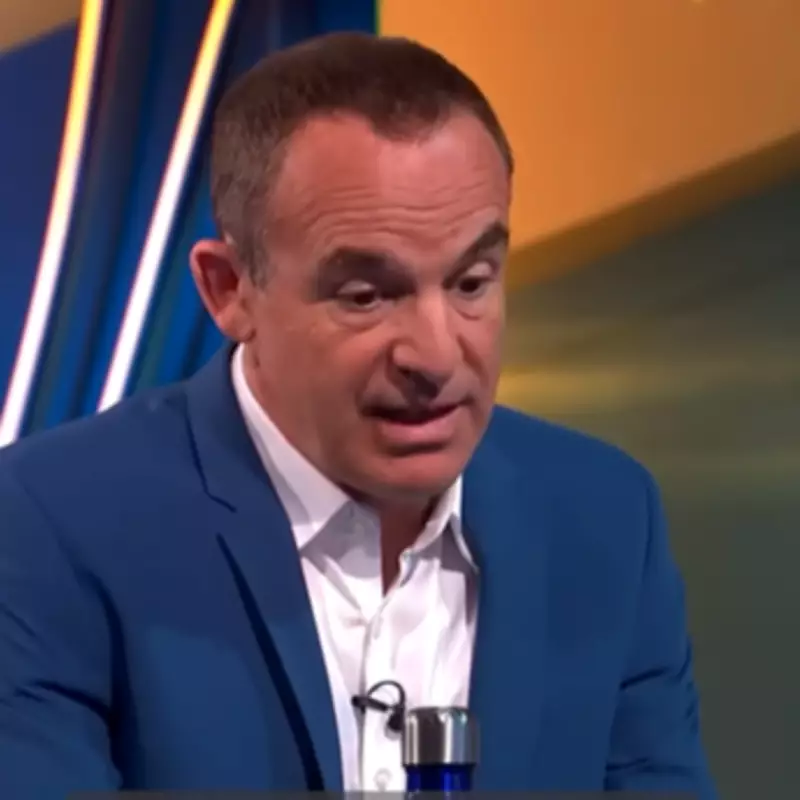
Personal finance expert Martin Lewis has issued a crucial warning for anyone using credit cards from major providers such as Lloyds Banking Group, Barclaycard, Santander, Tesco Bank, American Express, NatWest, and HSBC. He explained that a single mistake could lead to crippling interest charges, with even a penny making all the difference.
The 1p Rule That Costs You
Speaking on his latest BBC Podcast, Mr Lewis responded to a listener’s query about managing savings. Using a £1,000 example, he said: “This is an important warning about the way that credit cards work. Imagine you’ve spent £1,000 on the credit card. If you then pay off the £1,000, so you totally clear it, there is no interest in the month. But if you were to pay off £999.99, so you’re just a penny short, you don’t pay interest on a penny for the month. You still pay interest on the entire £1,000.”
He emphasised his long-standing catchphrase: “Pay off your credit card in full. The ‘in full’ is important. If you do it in full, you neuter the credit card’s ability to charge you interest. If you miss even a penny, it can still charge you a whack.”

Debt vs Savings: What to Prioritise
Caller Dan asked whether the same principle applies to mortgages. Mr Lewis explained that the key is determining where your money works best. He stated: “My general advice about debt is you should always pay off expensive debt before saving. It does get a bit more contentious because you also want to have an emergency fund.”
He illustrated with an example: “If you’ve got £1,000 on a credit card and £1,000 in savings, the credit card is costing you 20 per cent, the savings are gaining you 4 per cent. You gain 16 per cent if you use the savings to pay off the credit card. And the advantage with the credit card is once you pay it off, it can sit at a zero balance, and if you have an emergency, you can just borrow back on the credit card.”
For those carrying £3,000 on a credit card, charges would amount to £600, while the same amount in savings would yield only £120.
Mortgage Overpayment Considerations
Turning to mortgages, Mr Lewis advised: “If the mortgage rate is higher than the after-tax rate you can earn on savings, you are generally better to overpay the mortgage. If the savings rate is higher, you are probably better off to save, with caveats.”
He warned that overpaying can reduce the loan-to-value ratio, potentially securing a cheaper mortgage on remortgaging. However, he stressed two major caveats: always maintain an emergency fund in liquid cash, and check for overpayment penalties. Typically, lenders allow up to 10 per cent overpayment without charges.