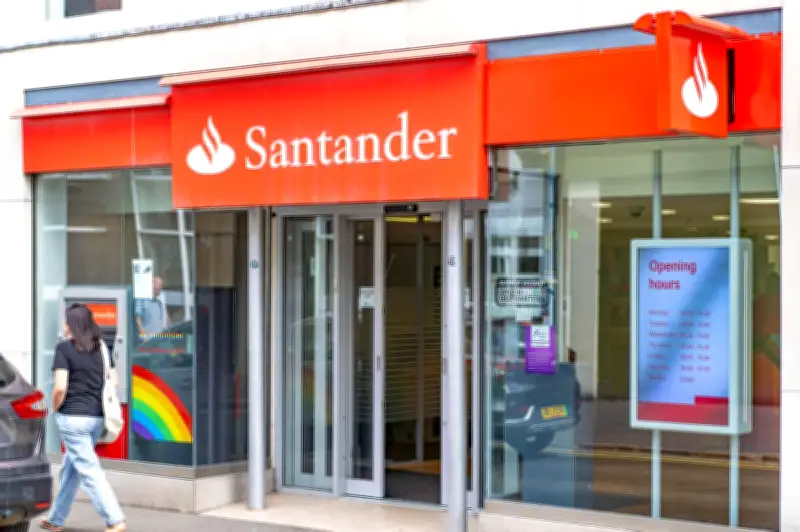
Banco Santander, the Spanish owner of Santander UK, has announced plans to cut costs by more than 500 million euros (£433 million) by accelerating the adoption of artificial intelligence (AI) across its global operations. The bank is targeting over one billion euros (£860 million) in additional revenues and cost savings from AI between 2026 and 2028, with more than half expected to come from cost reductions.
AI-Driven Savings and Automation
The savings are expected to result from automation, productivity gains, and process simplification. The lending giant did not disclose how many jobs would be affected, and it is understood that the group has not announced a workforce reduction programme linked to the AI rollout. By the end of 2026 alone, Banco Santander expects to deliver more than 200 million euros (£173.4 million) in “business value” – comprising extra revenues and cost savings – group-wide, including its British banking arm Santander UK.
Early Results and Workforce AI Access
The bank reported that it achieved 35 million euros (£30.3 million) in benefits from AI in the first three months of the year, a figure expected to rise in the second quarter. In a major push to expand AI adoption, the firm is rolling out AI access to all of its 185,000 staff worldwide, including around 15,000 in the UK. Currently, nearly 40,000 employees are actively using AI, according to the bank.

Executives on AI Strategy
Ricardo Martin Manjon, Banco Santander’s chief data and AI officer, said: “Santander is moving from AI ambition to execution. One year after setting out our ambition to become a data and AI-first bank, artificial intelligence is already helping us improve how we work, serve customers, manage risk and run the bank. Santander already has a clear AI strategy, measurable impact and the scale to turn selected capabilities into group-wide value. We are not starting from theory: AI is already improving processes, supporting our teams and opening new opportunities across the bank. Now the opportunity is to move forward with focus, discipline and ambition.”
Broader Banking Industry AI Adoption
Banks worldwide are increasingly turning to AI to cut costs. The boss of Standard Chartered recently sparked controversy by suggesting AI would replace “lower-value human capital” as the bank announced around 7,800 job cuts. Chief executive Bill Winters later rowed back on the comments, saying they were taken “out of context”. Most banks have yet to quantify the financial benefit of AI, although Lloyds Banking Group said earlier this year that the technology directly provided a £50 million profit boost in 2025 through both revenue gains and cost savings.
AI for Growth and Customer Service
Mr Martin Manjon stressed that AI is “not only about efficiency”, adding: “It is also opening new opportunities for growth.” Among its plans, Santander is deploying AI in its UK voice channels to handle customer card-related queries. The group aims to resolve around 240,000 calls – 40% of calls received each year – through self-service, which it claims would save customers approximately 26,000 hours and give service teams around 45,000 hours “back to focus on more complex needs”.