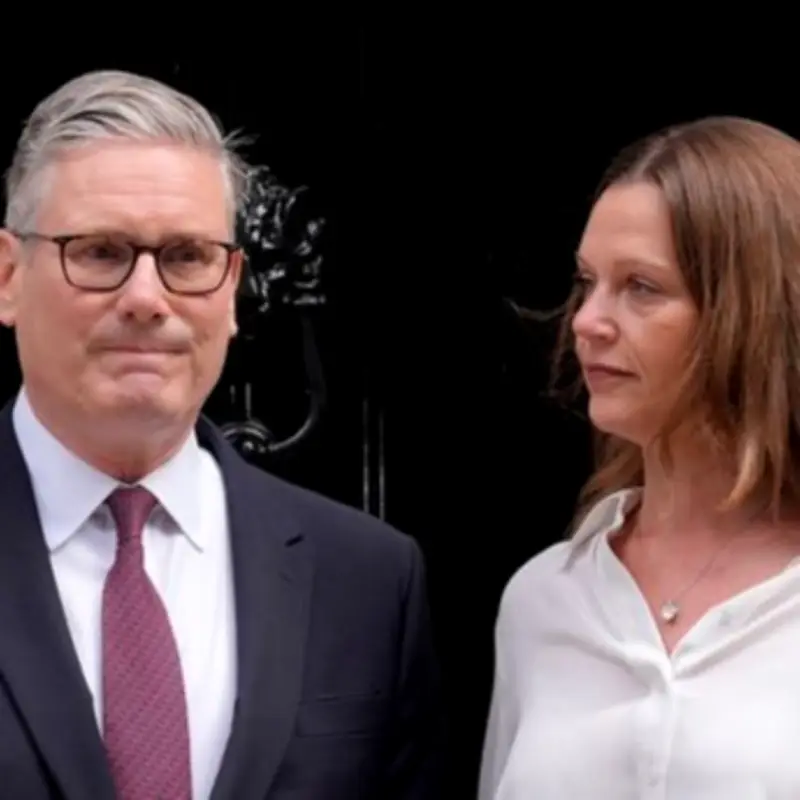
Sir Keir Starmer, visibly emotional, announced his resignation as Labour leader today, stepping aside to allow Andy Burnham to become prime minister. The announcement came after a weekend of deliberation with his wife, Victoria, at Chequers. Speaking outside No. 10 Downing Street, Starmer acknowledged that his parliamentary party had questioned whether he was best placed to lead them into the next general election, stating, "I have heard the answer of my parliamentary party to that question, and I accept that answer with good grace."
Background to the Resignation
Starmer's resignation marks the sixth prime ministerial resignation in the last decade. Just two years after winning a landslide victory, more than 100 Labour MPs demanded he quit. Over the weekend, senior cabinet ministers joined the calls for him to move aside. Reports indicated that Victoria had urged him to fight on, angry about what she perceived as "the treachery" of Burnham and especially Wes Streeting, who orchestrated moves to pressure her husband.
A source told The Times: "She has been the one urging him to fight it. And she’s the one who’s with him." However, Burnham was reportedly planning to present evidence that he had the backing of more than 200 Labour MPs. Allies of the newly elected Makerfield MP believed a contest over the summer would be both "messy" and expensive.

Political Pressure Mounts
On Friday, Starmer vowed to fight any leadership election if one was triggered after Burnham's decisive byelection victory, where he received more votes than any other candidate and fended off a challenge from Nigel Farage's Reform UK party. But by Friday afternoon, a succession of cabinet ministers, including transport secretary Heidi Alexander and foreign secretary Yvette Cooper, told him to set out a timeline for his departure. By Sunday, business secretary Peter Kyle told the BBC: "I don’t want to come on here and be delusional that there is no process, there are no forces at work which are challenging the prime minister as leader – that is clearly the case."
Impact and Next Steps
Many in Labour, including Burnham's allies, expressed concern that a leadership contest would be a messy distraction costing more than £1 million to the party. Starmer's resignation clears the way for Burnham to assume the premiership, though the exact timeline for the transition remains unclear. The development reshapes the UK political landscape, with Burnham expected to bring a new direction to the Labour government.