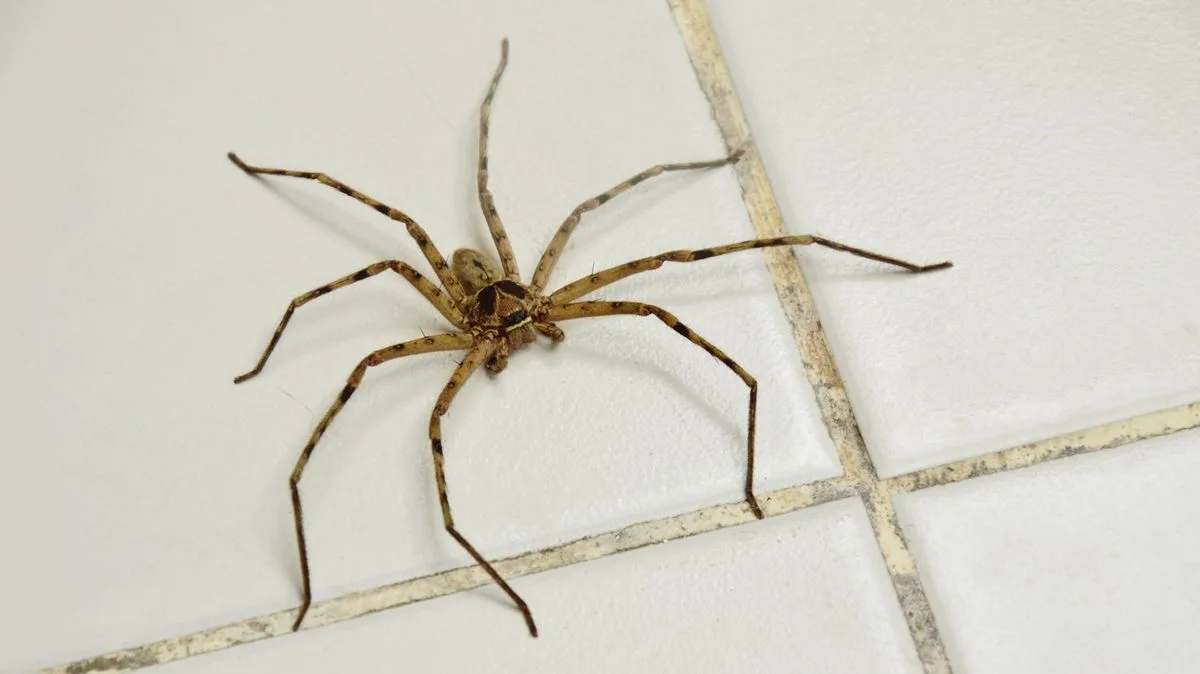
As the UK warms up, spiders are emerging from hibernation, with spider season fast approaching. Hospital admissions for spider bites in England have doubled over the past decade, from 47 in 2015 to 100 in 2025, according to NHS data obtained via a freedom of information request. The rise is partly attributed to an increase in false widow spiders, described as 'the most dangerous spider breeding in Britain'.
Daniel Steward, Managing Director of Shield Pest Control—a Royal Warrant holder that works with the Royal Family—has shared budget-friendly natural repellents. He recommends a mixture of white vinegar and water sprayed in spider-prone areas, as spiders are highly sensitive to strong smells and acidity, which overwhelms their senses.
A common kitchen staple costing just 21p per bulb—garlic—is also effective. Simply crush 5-6 cloves, place them in a spray bottle, top up with water, and leave to steep overnight. Spray the solution in spider-prone areas, targeting hard-to-reach corners. Note that garlic has a potent odour that may linger.

Other natural repellents include peppermint oil, peppermint plants, and cinnamon. Steward also advises physically removing spider egg sacs and webs with a stiff broom or handheld vacuum to disrupt habitats and prevent infestations.
To reduce spider attraction, use a dehumidifier in warm, damp areas like bathrooms, and declutter living spaces. Seal cracks and gaps around windows, doors, and foundations to prevent spiders from entering. 'Preventing spiders from entering the home can be challenging as they can squeeze through tiny gaps, but creating a physical barrier and maintaining a clean environment can significantly help,' Steward added.