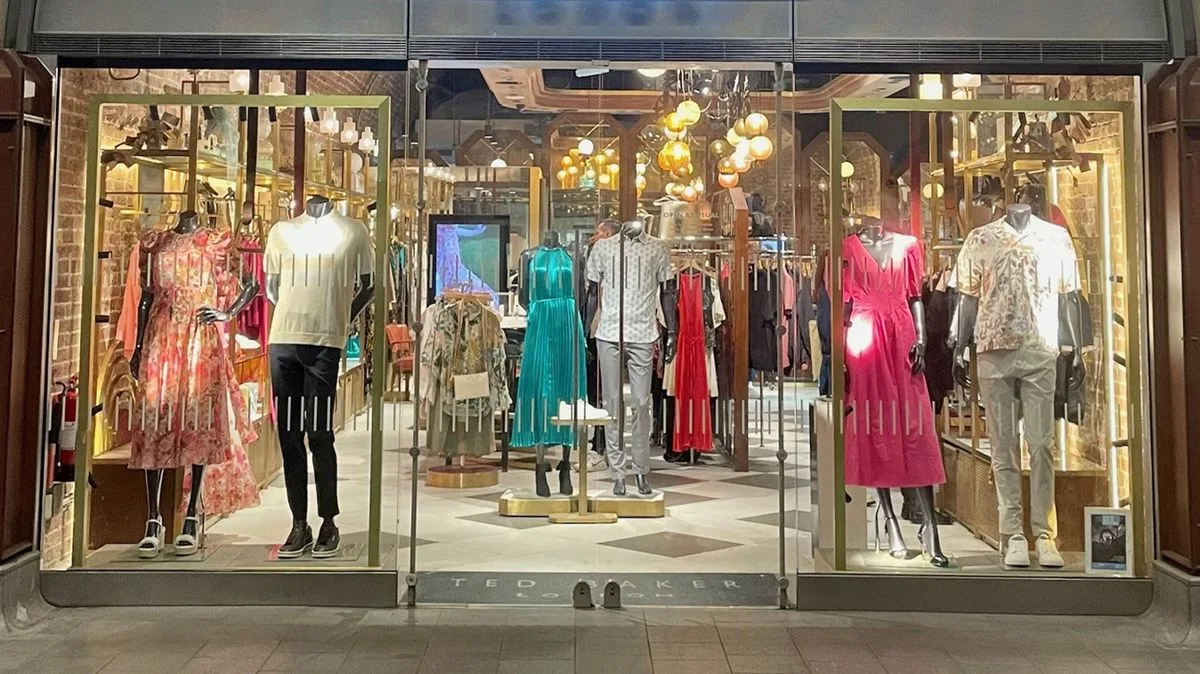
Ted Baker became the latest high street casualty this month, closing its final 31 stores on August 20 after its UK operator, No Ordinary Designer Label (NODL), fell into administration in March. Administrators at Teneo had already shut 15 shops and cut 245 jobs. Before the collapse, Ted Baker operated 46 UK stores and employed around 975 people.
The fashion retailer joins a long list of brands that have disappeared from British high streets, driven by the shift to online shopping and the cost of living crisis. According to PricewaterhouseCoopers, 14,081 shops from chains with five or more outlets closed in 2023, equivalent to 39 closures per day.
Woolworths collapsed in 2008, leaving 27,000 staff jobless and 815 stores vacant, weighed down by £385 million in debt. Debenhams entered administration twice before finally closing in 2020; its website was bought by Boohoo but 118 stores shut, putting 12,000 jobs at risk. Dixons vanished from the high street in 2006 when its stores were rebranded as Currys.digital, and the name was phased out entirely by 2021.

Blockbuster collapsed for the second time in 2013, owing £139 million to creditors, as streaming services overtook DVD rentals. Arcadia Group, owned by Sir Philip Green and including Topshop, Topman and Burton, fell into administration in 2020 with £750 million debt; its brands were sold online, but 444 stores closed, affecting 13,000 workers. BHS went under in 2016, losing 160 stores and 11,000 jobs, with a £571 million pension deficit. Comet failed in 2012, closing 240 stores and costing 6,500 jobs.
Cath Kidston entered administration in 2020 with nearly 1,000 job losses but was rescued in a deal. These closures highlight the ongoing struggles of the UK retail sector.