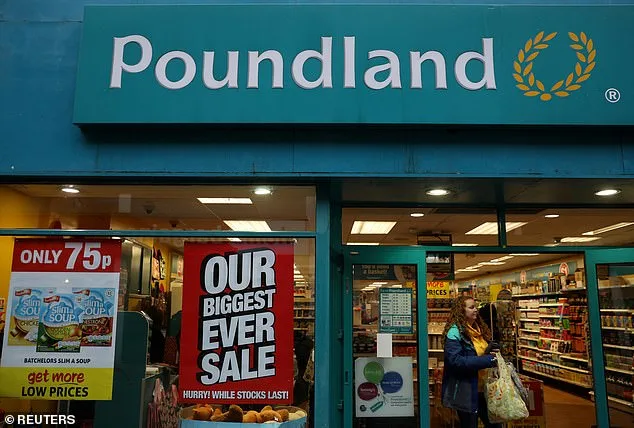
Poundland, the discount retailer that has been a staple of British high streets for 35 years, is facing an uncertain future after its owner Pepco Group put the chain up for sale. The company has abandoned its founding £1 price promise on hundreds of products, with prices rising by up to 50 per cent on some food items amid the cost-of-living crisis.
Pepco Group, based in Poland, announced in March that all 825 Poundland stores would be sold as it shifts focus to its more popular Pepco brand. The decision follows a £642million impairment charge, reflecting a sharp decline in the retailer's performance. Poundland also reported a 7.3 per cent drop in sales in the three months to December 2024.
The retailer has been hit hard by Labour's tax hikes, including increased national insurance contributions and a higher national minimum wage, which the company estimates will cost around £10million. Additionally, Poundland lost more than £40million worth of stock to shoplifting in 2024 alone, prompting investment in anti-theft technology.

Experts suggest that Poundland has struggled to compete with supermarkets like Tesco and Sainsbury's, which offer deep discounts through loyalty schemes. The chain's departure from its bargain roots, stocking more premium items, has also alienated some customers. Former boss Barry Williams has returned as managing director to try to turn the business around.
With 15,000 employees, the sale of Poundland raises concerns about job losses and the future of budget retail in the UK, following the collapse of Wilko and struggles at rival B&M. Pepco Group reported a £548million loss for the year to September 30, underscoring the challenges facing the discount sector.