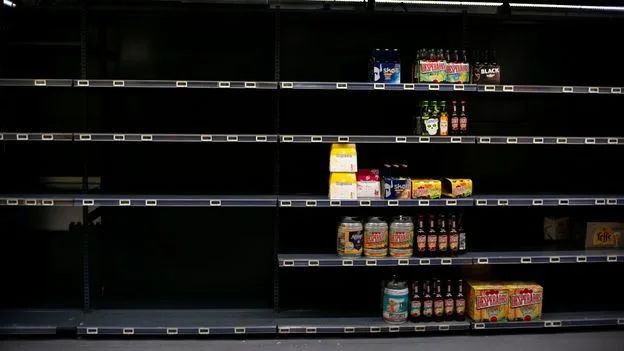
Shoppers across the UK have been confronted with empty shelves in Tesco stores, sparking fears of food shortages. However, supply chain experts insist the system is resilient and designed to cope with such disruptions. The panic-buying seen in recent weeks, driven by the coronavirus pandemic, has led to a surge in demand for staples like pasta, rice, and toilet paper, leaving many aisles bare.
According to industry specialists, the food supply chain operates with multiple layers of inventory. Retailers typically hold 20 to 30 days of stock in stores, with similar amounts held at local and regional distribution centres. In total, the system maintains around four months of food supply, ensuring that shortages are temporary and localised. The current crisis has prompted factories to shift to full capacity to meet unprecedented demand.
Fred Boehler, CEO of Americold Logistics, explained that consumer behaviour during the pandemic mirrors that seen during natural disasters like hurricanes. While the scale and duration of this event are unusual, the supply chain is built to adapt. He noted that the empty shelves are not a sign of impending scarcity but rather a reflection of the time needed to restock as demand spikes.

Lowell Randel of the Global Cold Chain Alliance added that food production continues at a high rate, and the system's flexibility is its strength. The current situation, while challenging, is well within the system's control. Experts urge shoppers not to panic, as the supply chain is working to replenish stocks as quickly as possible.