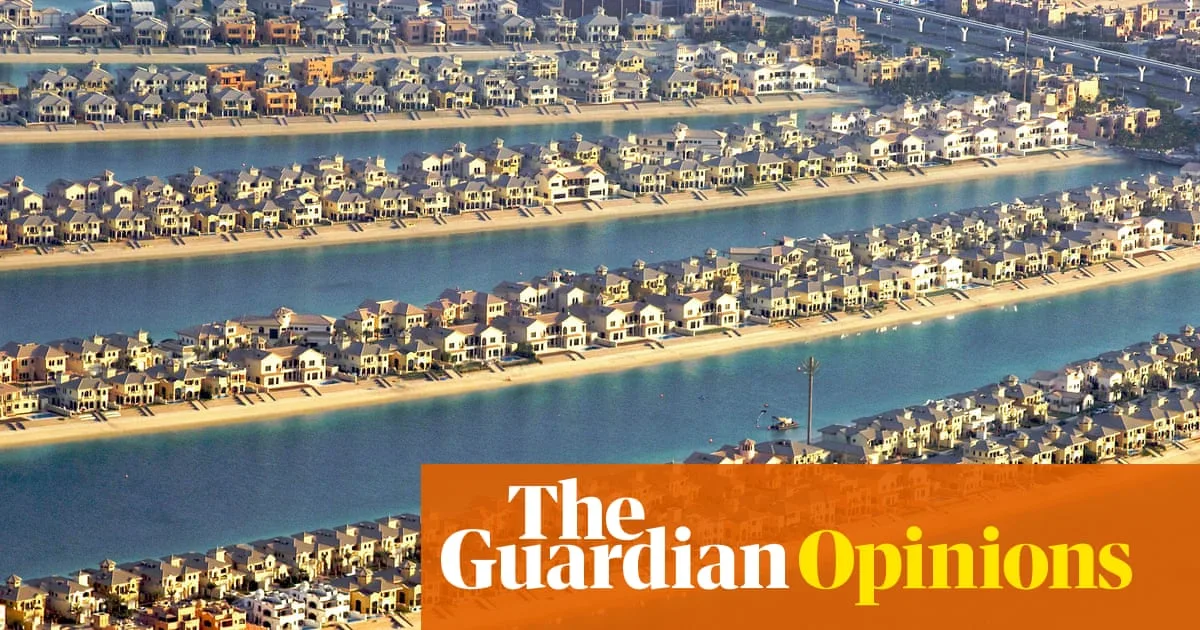
The image of Dubai as a seven-star paradise is a carefully crafted illusion, according to a new analysis. Expat influencers, paid to promote the city, have sold a dream of luxury and safety that masks a darker reality. The Maseratis are borrowed, the helicopters rented by the hour, and the city is built by oppressed migrant workers under the controversial kafala system.
Since the war in the Middle East escalated, the lack of sympathy for expats in Dubai has been striking. In the UK, Liberal Democrat leader Ed Davey criticised 'tax exiles and washed-up old footballers' who mock ordinary Brits but expect military rescue. On Good Morning Britain, Susanna Reid questioned whether those who moved to avoid tax should pay for their own evacuation.
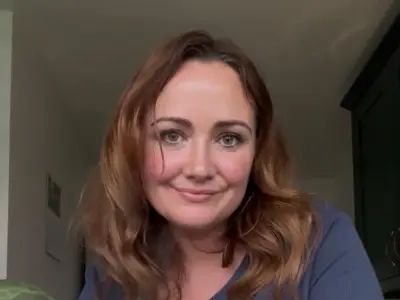
Australian influencer Louise Starkey was widely mocked for her Instagram video during the bombing, saying 'It's not meant to be happening here.' This reflects the wilful blindness at the heart of Dubai's social contract, which demands ignoring the proximity of suffering and violence, including in Gaza.

Urban theorist Mike Davis described Dubai as an 'evil paradise' in his 2010 book Fear and Money in Dubai, a neoliberal dreamworld built on indentured labour. Influencers on golden visas are part of the marketing arm, but face jail or expulsion if they post about human rights abuses or the war.
A friend living in Dubai calls it 'a lonely city.' The influencers sell mirages: borrowed luxury cars, rented helicopters, and faces built with Botox. The alcohol they toast with is illegal in parts of the UAE. The dream is crumbling as the war makes the wider Middle Eastern reality visible.