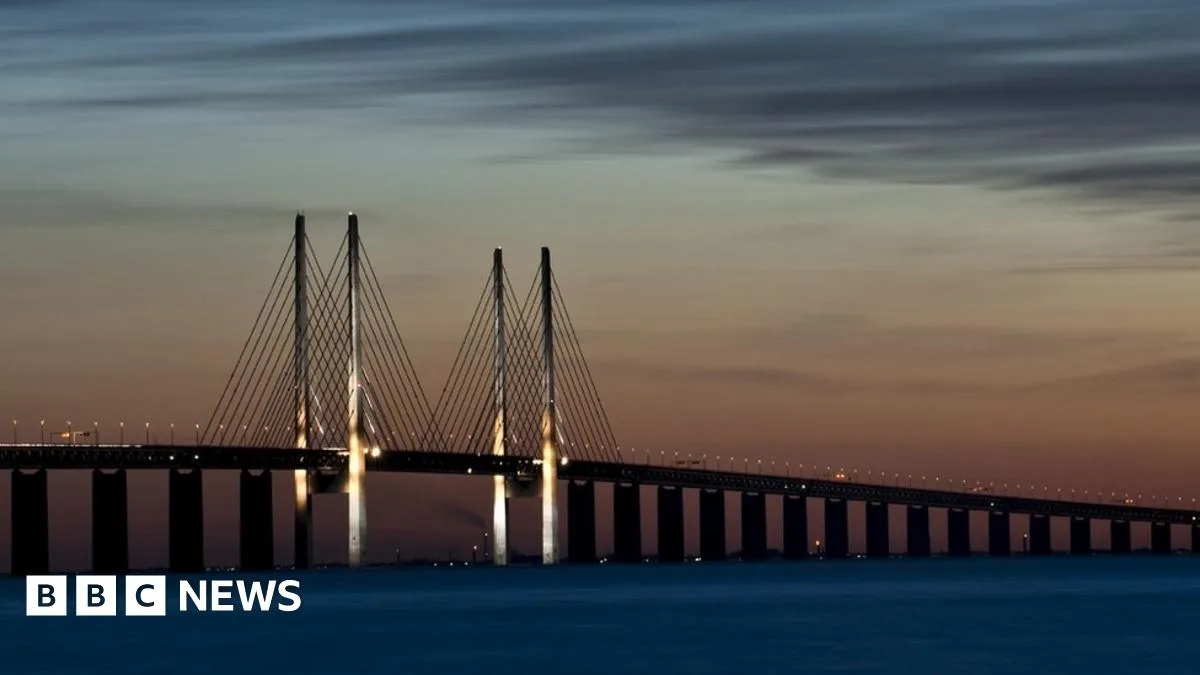
The Øresund Bridge, connecting Sweden and Denmark, gained worldwide fame through the hit TV drama The Bridge. The show portrays seamless travel between the two countries, but new identity checks have made crossings significantly longer.
Sweden introduced identity checks for travellers from Denmark to curb migrant numbers after receiving over 150,000 asylum applications last year. Danish Prime Minister Lars Løkke Rasmussen warned the measures could cause serious disruption, and commuters report delays of at least 30 minutes on rail journeys.
The 16km link, which opened in June 2000, cost 30 billion Danish kroner (£3bn) and was built in five years. It comprises a bridge, a tunnel, and an artificial island called Peberholm, now a nature reserve. The bridge itself is 8km long, with a high-speed railway beneath the road and clearance for ships up to 57m tall.

An estimated 20,000 commuters use the crossing daily. Spyros Sofos, a lecturer at Lund University, says the views are impressive, with wind farms and city lights visible. However, he notes that the new checks have ended the seamless travel experience, with officials boarding trains to check documents and even arresting some passengers.
The link connects the Copenhagen and Malmö areas, home to 3.5 million people, and cuts travel time between the cities to about 35 minutes by train. Car drivers pay between €14 and €48 per crossing, depending on frequency.