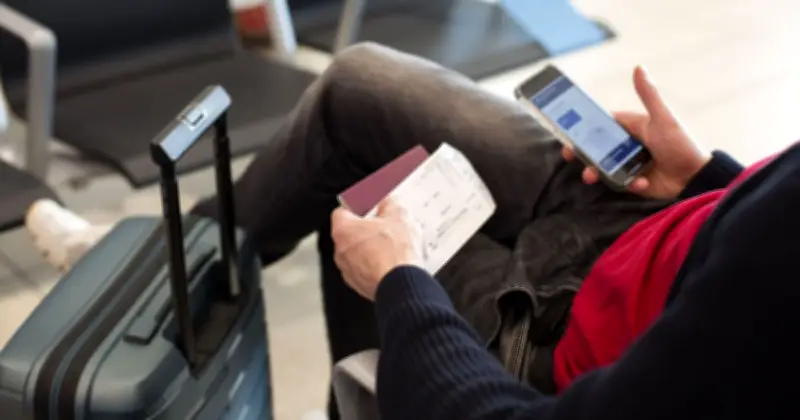
Airline passengers are being advised to watch for a specific code on their boarding passes, as understanding its meaning can help streamline airport navigation. The code, often printed or written on tickets, signals additional security measures.
What Does SSSS Mean?
Passengers flying to or from the United States may encounter the code SSSS on their boarding pass. This stands for Secondary Security Screening Selection or Secondary Security Screening Selectee. Essentially, it indicates that the passenger has been chosen for extra inspection, which can occur for various reasons.
Some airlines do not print SSSS but use alternative methods to flag passengers. For instance, Southwest Airlines reportedly uses a checkerboard pattern on boarding passes to indicate the need for additional screening.

Who Gets SSSS?
Citizens of certain countries, particularly those under sanctions or with political tensions with the USA, may be more likely to see SSSS. However, the Transportation Security Administration (TSA) keeps the exact criteria confidential. The American Civil Liberties Union (ACLU) has noted that the TSA maintains a "Selectee List" of individuals automatically subjected to enhanced screening on every flight.
Other factors that can trigger SSSS include making one-way reservations, paying with cash, traveling through high-risk countries, frequently visiting unusual destinations, or having flight patterns deemed suspicious. Additionally, having a name similar to someone on a Department of Homeland Security watchlist may lead to extra checks or even denied boarding.
What to Do If You See SSSS
If your boarding pass shows SSSS or a similar code, there is no cause for alarm. It typically means you will need extra time for security. This may involve an enhanced pat-down, hand inspection of carry-on bags, and possibly a handheld metal detector scan.
Passengers should follow their airline's guidance on arrival times to accommodate additional screening. In the USA, the TSA recommends arriving at least two hours before domestic flights and three hours before international departures.
How to Address Frequent Flagging
Those who frequently encounter SSSS can apply for the DHS Traveler Redress Inquiry Program (DHS TRIP). If approved, they receive a Redress Control Number to use when booking flights, which should smoothen future travel.