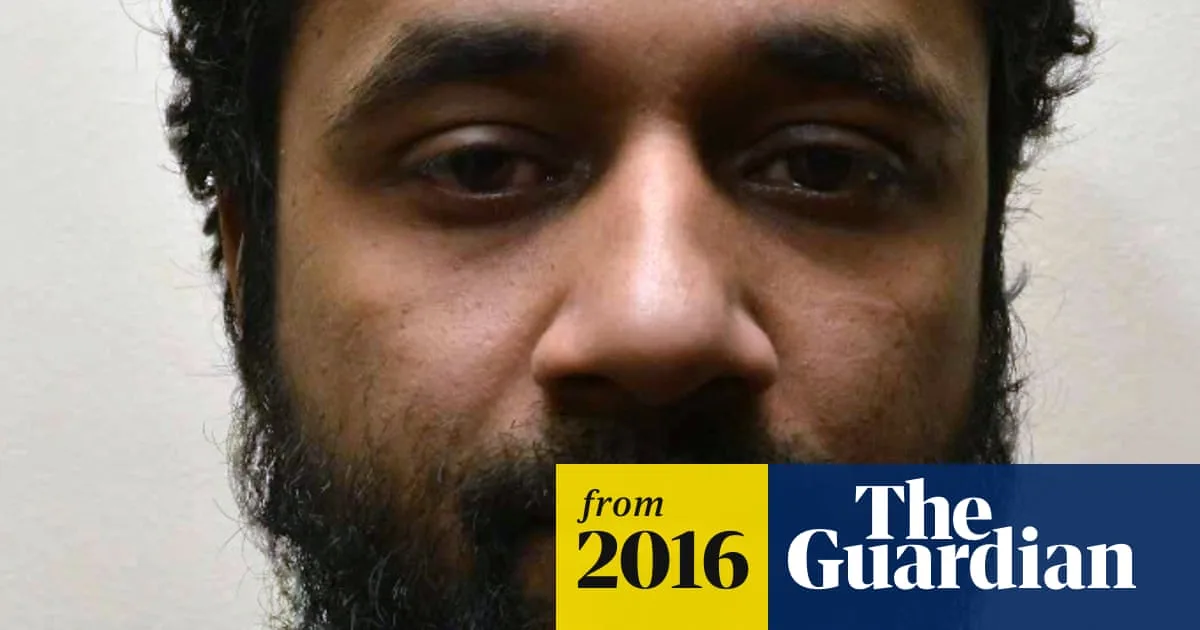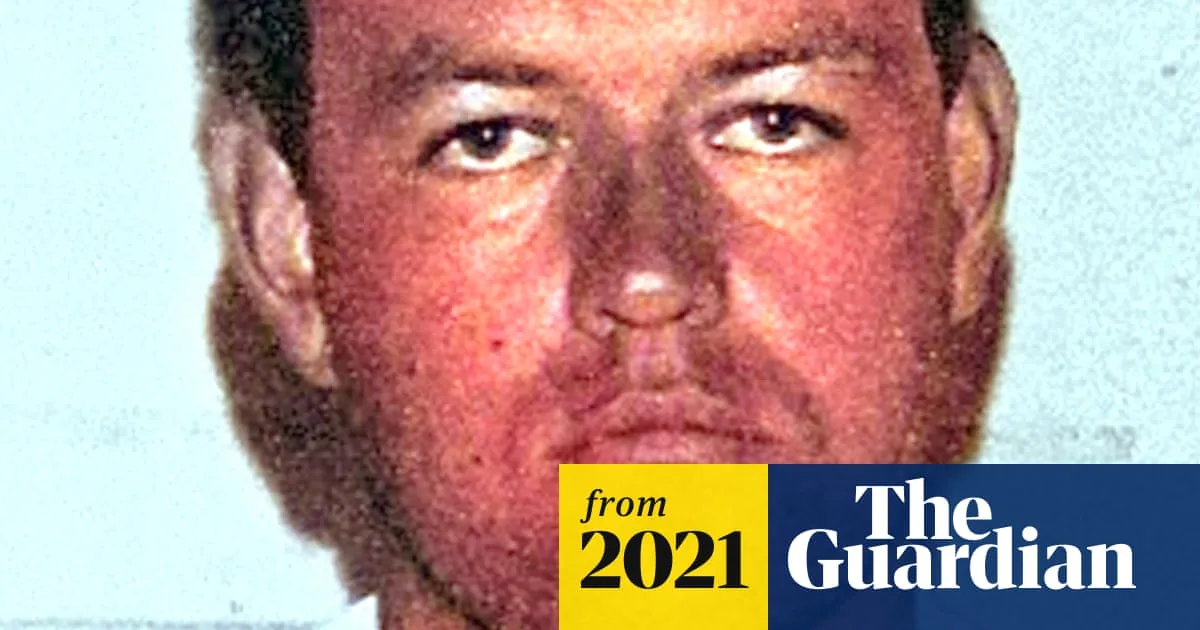
The Parole Board has denied the release of Colin Pitchfork, the double child killer and rapist, in a landmark decision. Pitchfork, now 61, was sentenced to life in 1988 for the murders of 15-year-olds Lynda Mann and Dawn Ashworth in Leicestershire. He became the first person convicted of murder using DNA evidence.
The Parole Board had initially ruled in early June that Pitchfork could be released on licence, citing his positive behaviour in custody. However, following public outcry and intervention from Justice Secretary Robert Buckland, the decision was reconsidered. Buckland had 21 days to request a formal review, which he did, leading to the denial of parole.
Buckland stated he was 'taking advice on the matter' and intended to conduct a 'root and branch review' of the Parole Board. The families of the victims welcomed the decision, with Dawn's uncle, Philip Musson, calling it 'an affront to natural justice' that Pitchfork was ever considered for release.

Under current sentencing guidelines, someone committing similar crimes would receive a whole-life order. Stuart Nolan of the Law Society noted that the Parole Board's initial decision was not made lightly, but the conditions of release would have been stringent, including an electronic tag and lie detector tests.
Pitchfork's crimes shocked the nation, and his capture involved the first mass DNA screening of 5,000 men. He pleaded guilty to two counts of murder, two of rape, two of indecent assault, and one of conspiracy to pervert the course of justice. The original trial judge, Lord Lane, doubted he should ever be released for public safety.