Iran has executed two protesters from the January 8 uprising just as the United States prepares to sign a ceasefire deal with Tehran, in what activists call a brutal attempt to crush dissent. Javad Zamani and Abolfazl Saedi were put to death on June 16, 2026, after being accused of property damage during the protests.
Details of the Executions
The Islamic Revolutionary Guard Corps (IRGC) carried out the executions. Iran Human Rights (IHRNGO) reported that state media broadcast coerced confessions before announcing the deaths. Many detainees face fabricated charges and are rushed through sham court proceedings, where they frequently confess under duress.
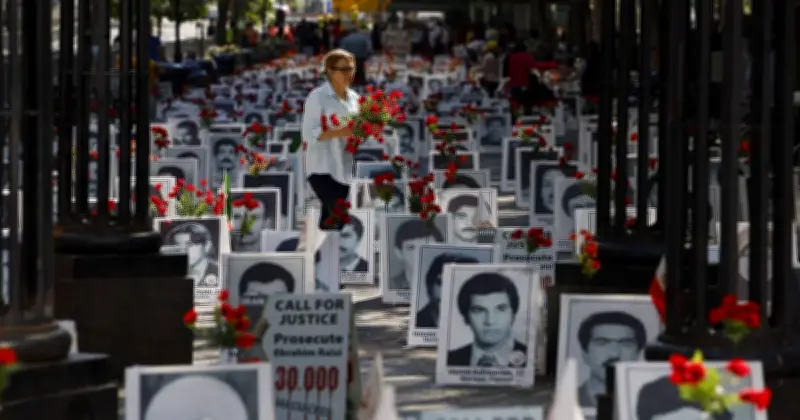
Since March 19, at least 20 protesters have been executed in connection with the January 2026 unrest, which erupted on December 28, 2025. The crackdown has been described by human rights organizations as unprecedented and deadly.

Background of the Protests
The January 8 protests saw regime forces deploy machine guns, killing between 12,000 and 30,000 people. Security forces, including the IRGC, Basij units, and plainclothes operatives, used live ammunition and prohibited weapons, targeting protesters' heads and chests. Internet access was severed on January 8, 2026.
Amnesty International research indicates that January 2026 was the bloodiest period of repression by Iranian authorities in decades. Hundreds were detained, and many remain facing execution.
International Reactions
IHRNGO Director Mahmood Amiry-Moghaddam condemned the executions, stating they followed proceedings that did not meet minimum fair trial standards and were designed to intimidate the public. He urged the international community to prioritize Iran's human rights record and halt executions as a condition of normalizing ties with the EU.
Maryam Rajavi, President-elect of the National Council of Resistance of Iran, honored the protesters on X, saying the executions strengthen the resolve of Iranian youth to end the regime. She called on the UN to denounce the IRGC's actions.
Former Crown Prince Reza Pahlavi warned that engaging with a regime that murdered over 40,000 protesters in two days is a catastrophic strategic error.
Ceasefire Deal Context
Iran and the US are presenting their provisional agreement to end the conflict as a victory, but details remain confidential. The memorandum of understanding, largely brokered by Pakistan, begins with Iran reopening the Strait of Hormuz while the US lifts its blockade of Iranian ports. A 60-day negotiating period on Iran's nuclear program and sanctions relief follows.
The deal returns the rivals to their positions before the US-Israel war on Iran began on February 28, 2026, which has caused thousands of deaths, a global energy crisis, and US inflation.