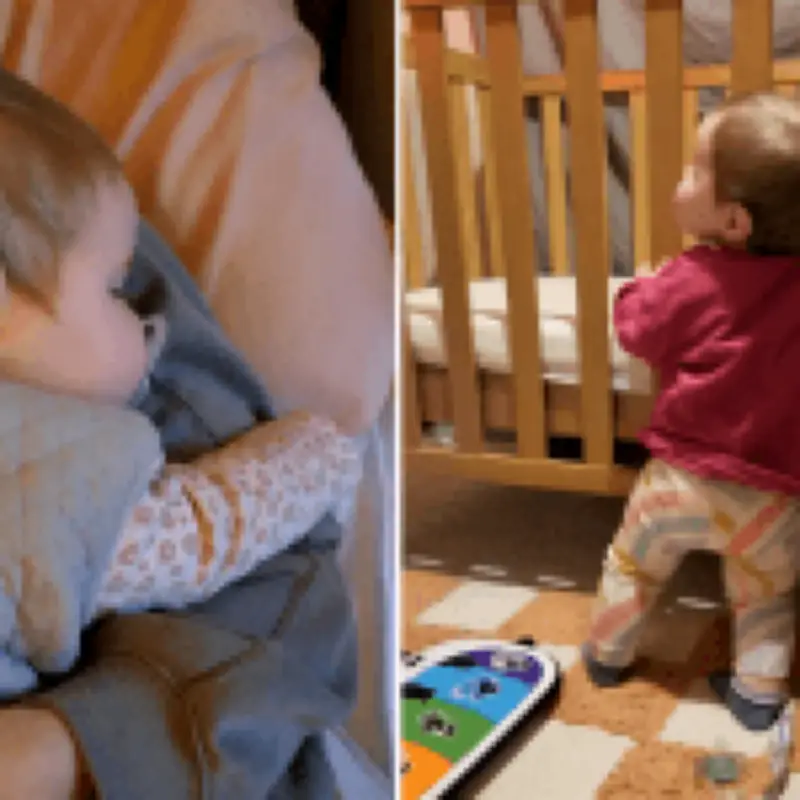
After weeks of 2am nappy-bum dance parties with her eight-month-old daughter Ruby, a mother discovered that the common parenting advice about overtiredness was actually making things worse. Ruby was spending hours awake in the middle of the night, vibing all over the bed between 2am and 4am. Sleep apps, ChatGPT, and parenting forums all pointed to the same culprit: overtiredness. They recommended longer naps, earlier bedtimes, and shorter wake windows. But following that advice only made the problem worse.
Tracking Sleep Revealed the Truth
Frustrated, the mother sought help from baby sleep consultant Lauren Eells, founder of Sound Asleep Guru. Eells, who holds a Level 6 EDS Sleep Practitioner qualification and has completed Imperial College London's Paediatric Sleep course, had her track every nap and overnight sleep for 10 days. The result: Ruby averaged 13 hours of sleep across a 24-hour period. Instead of encouraging more sleep, Eells recommended less.
At the time, Ruby was getting around two and a half hours of naps per day. ChatGPT suggested shorter wake windows, and the popular sleep app Huckleberry steered towards earlier bedtimes. Eells, however, wanted Ruby awake for at least four and a half hours before bed and to reduce daytime naps to one hour and 45 minutes total. The mother worried about overtiredness, but Eells explained that sleep pressure—the biological drive that builds the longer we stay awake—needs to align with the melatonin rise for a good night's sleep.

The Science of Sleep Pressure
Eells says, 'The number one myth that I think harms sleep is overtiredness, because it leads parents to put their baby down too early, for too long and at the wrong times. They've used too much of their 24-hour sleep budget before they've even gone to bed that night.' In practical terms, a baby who has napped too much or too recently before bed may still appear tired enough to fall asleep, but they may not have built enough sleep pressure to stay asleep for long.
To the mother's astonishment, Ruby could handle being awake for longer before bed. For the first time in weeks, she saw Ruby getting properly tired before bedtime. The very first day she capped Ruby's naps, Ruby slept for more than 11 hours overnight without waking. Then she did it again and again. Soon, it became clear that sleep training wasn't needed. Ruby still fell asleep in her parents' arms before being transferred to her cot, but she slept through the night without needing them.
Routine Over Sleep Training
Eells explains that while routine carries most of the weight when it comes to sleep, some babies are more sensitive to sleep associations. A baby who is fed, rocked, or cuddled to sleep may expect that same help every time they wake overnight, which is biologically normal. Sleep training can help, but it only works once the schedule is sorted. Ruby, however, appears to be one of the rarer babies who can happily drift off in her parents' arms and still connect her sleep cycles without needing them through the night.
According to Eells, 'Sleep training is the icing on the cake. The cake itself is getting the routine right.' Many babies aren't waking because they're getting too little sleep; they're waking because they're getting too much. This runs counter to most generic sleep advice on Reddit and social media, which treats all babies as though they need the same amount of sleep. At the time the mother tweaked Ruby's sleep, both Huckleberry and various Google sources suggested Ruby should get around 14 hours of shut-eye in a 24-hour period, including up to three hours of naps. For Ruby, aiming for that amount of sleep caused the problem.
Individual Sleep Needs Matter
Eells argues that generic schedules, wake windows, and sleep apps can make parents lose confidence in their own instincts. 'It really robs parents of their ability to read their baby and get to know their rhythms,' she says. Her entire approach is built around the idea that babies, like adults, have different sleep needs. The challenge for parents is working out which type of baby they have.

The mother's biggest takeaway: 'My baby is my baby. Her sleep needs are individual, and trying to force her into somebody else's ideal schedule was never going to work.' Ruby, now nearly 15 months old, still sleeps over 11 hours overnight (touch wood) when her naps are kept in check. The 2am nappy-bum dance parties are mostly a thing of the past, though teething can still disrupt sleep.