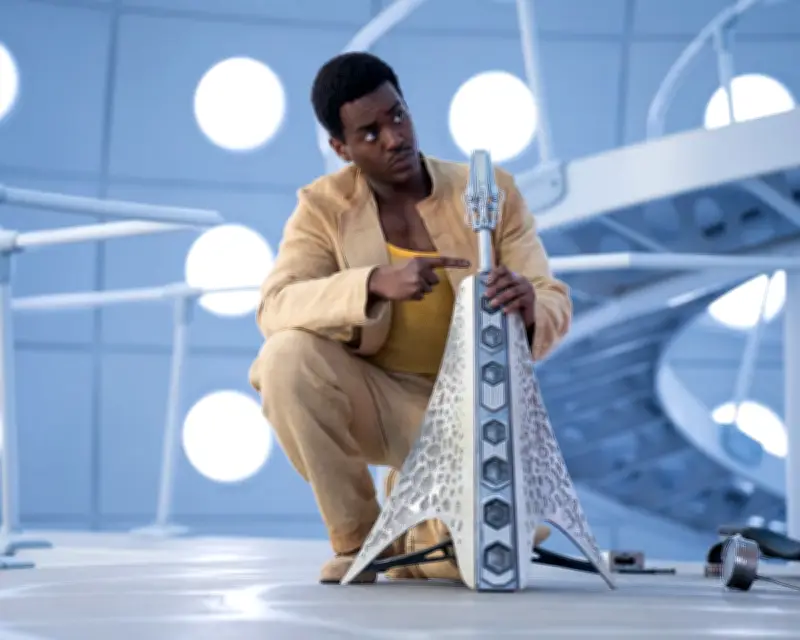
The BBC's decision to scrap the planned Doctor Who Christmas special and end its collaboration with showrunner Russell T Davies and Bad Wolf Productions has not surprised many fans. Rumors had been circulating for some time, and the lack of filming for a show that requires extensive post-production hinted at trouble.
Show Remains Important to BBC
The BBC has stated that Doctor Who remains a key part of its portfolio, aiming to ensure that "when the Tardis lands once more, it does so in all its glory." While Bad Wolf might bid to continue the show under new leadership, Davies appears to have stepped away for good, posting on Instagram: "Now I'm as excited as anyone to see what comes next!"
Second Davies Era: Highs and Lows
Davies's return in 2021 was surprising, but bringing back David Tennant for anniversary specials was a predictable publicity move. Those three 2023 episodes were well-received and introduced Ncuti Gatwa as the 15th Doctor, capitalizing on his popularity from Sex Education. However, Gatwa's tenure has seen the lowest viewing figures in the show's history, though comparisons with past eras are complicated by the current streaming landscape. The highest ratings were in the 1970s, when only three channels existed and ITV was on strike.

The second Davies era had standout episodes like 73 Yards, Boom, The Well, and Dot and Bubble, a racism parable. New characters like Mr. Ring-a-Ding and Dugga Doo are likely to become fan favorites. Yet neither series finale resonated with audiences. Convoluted arcs resurrected villains from the 1970s and '80s, only to turn them into easily defeated CGI monsters. Fans also lamented that excellent casting choices, such as Archie Panjabi as the Rani, were underutilized.
Davies's Legacy and the Show's Future
Davies's early 2000s revival cemented his legendary status, even if this comeback faltered. His recent works like It's a Sin, Years and Years, and Tip Toe far surpassed his Doctor Who writing. The first Davies era felt grounded with tight dialogue, unlike the Bad Wolf and Disney years.
In contrast to 1980s producer John Nathan-Turner, who left the series open-ended with a memorable monologue by Sylvester McCoy, Davies and Bad Wolf have left multiple unresolved cliffhangers. Why did psychic messages from the Doctor's granddaughter appear during the Interstellar Song Contest? Why did the Doctor regenerate into a former companion's face? These questions, along with the ambiguous fate of Billie Piper's character, present a poisoned chalice for any new showrunner.
The BBC's unclear vision for the show compounds the problem. Doctor Who is a valuable British franchise but lacks the global reach of Star Wars or Marvel, yet it must compete with them. The BBC still aims to use it for Saturday linear TV to unite a family audience that may no longer exist. Putting the show out to tender suggests they seek someone else to resolve these contradictions.
At its best, Doctor Who offers an irresistible storytelling format: a clever, kind alien traveling through time and space, defeating villains with words and intelligence. Even if the show is absent from screens, the Doctor's adventures continue in audio dramas, graphic novels, novels, and a monthly comic strip in Doctor Who Magazine. When the next television series will be previewed remains uncertain.