Believe women” is a phrase we’ve heard a lot in recent times – and quite rightly. But there is one instance in which, I must confess, I don’t believe women. And that is every time one tells me that Wuthering Heights is her favourite book.
I still remember the first time I picked up a copy of Emily Brontë’s much-vaunted 1847 literary classic. I’d loved eldest Brontë sister Charlotte’s Jane Eyre; I’d developed a soft spot for the quiet radicalism of youngest sister Anne’s The Tenant of Wildfell Hall. Now, in my mid-twenties, it was finally time to take on the most extravagant, gothic of masterpieces, penned by the extraordinary middle child herself.
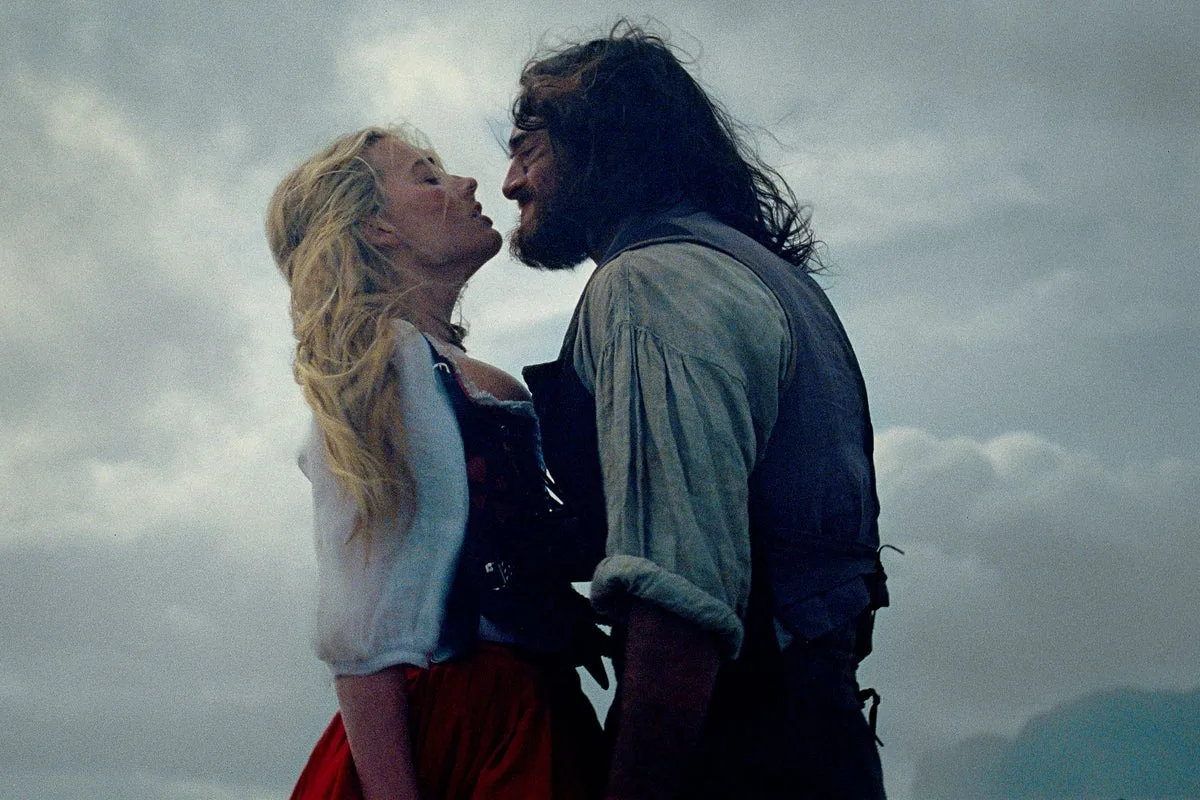
Ill-fated lovers torn asunder, yearning across bleak northern vistas, desire so powerful it transcends the grave – I was all set to swoon over this “tragic love story” between Cathy and Heathcliff, in which the backdrop of the Yorkshire Moors “represents the wildness of Heathcliffe’s character” (this information having been gleaned from an episode of Friends in which Phoebe and Rachel join a book group).

Yet it wasn’t long before I found myself experiencing the literary equivalent of all dressed up with nowhere to go. Each of the characters, I swiftly discovered, was profoundly and irredeemably unlikeable, by turns cruel, mean-spirited, selfish, wet and/or weak. This cast of misfits ended up dropping dead from all manner of fevers and childbearing and alcoholism and general malaise – which might have elicited some kind of emotional response, had I cared whether any of them lived or died. As it was, the only rational reaction to each demise seemed to be, simply, “good riddance”.
Just to make things even more insufferable, every one of them seemed to be called an unholy combination of the same names mixed together – Linton, Earnshaw, Heathcliff – in a way that scrambled my brain and rivalled only Gabriel García Márquez’s One Hundred Years of Solitude for forcing repeated consultation of the family tree. The piece de resistance is surely Catherine Linton, herself daughter of the infamous Cathy Earnshaw, who marries first one cousin, then another, to become Catherine Heathcliff, then Catherine Earnshaw. It all feels nothing short of elite-level trolling from Emily.
Then there’s the novel’s non-linear narrative framework, which uses multiple narrators telling stories within stories within stories: a kind of early Inception with none of Christopher Nolan’s joyful spectacle. This device, largely panned by critics at the time, has since been held up as a stroke of genius – which just goes to show that you only need wait a sufficient amount of time before something becomes fashionable (as demonstrated by the cursed resurgence of the bucket hat).