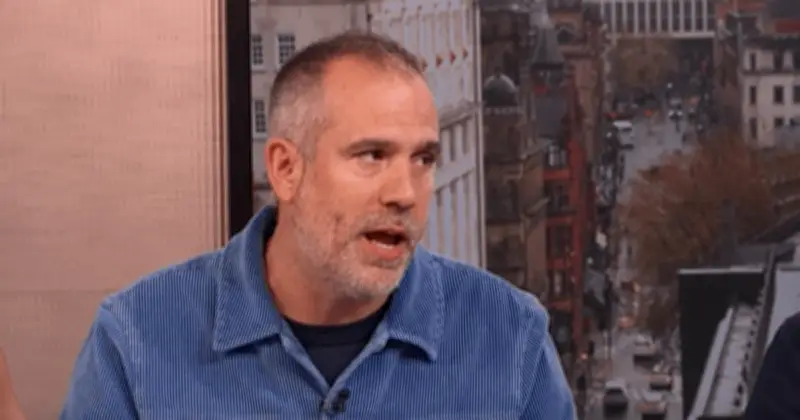
Dr Xand, a BBC presenter, has detailed the life-saving device implanted in Danish footballer Christian Eriksen after he collapsed during a friendly match against Ukraine. The incident occurred 65 minutes into the game, just days before the men's FIFA World Cup. Eriksen, 34, was able to walk off the pitch and is reportedly recovering well, though the event was reminiscent of his cardiac arrest during a European Championship match in 2021, when his heart stopped beating.
Understanding the ICD
Following the 2021 incident, Eriksen had an Implantable Cardioverter Defibrillator (ICD) fitted. Dr Xand described this device as a "shock box" on BBC's Morning Live. An ICD is a form of pacemaker that continuously monitors heart rate. Upon detecting a dangerous rhythm, it delivers a shock similar to a conventional defibrillator, restoring the heart to a safe rhythm. Dr Xand explained: "It basically gives his heart a shock if it stops beating. So he hasn't had a heart attack, he's had what's called a 'cardiac arrest' meaning his heart has gone into a rhythm that is potentially life-threatening and could be fatal."
Comparison to Medical Dramas
Dr Xand compared the process to scenes in medical dramas where defibrillator pads are used to restart a heart. He praised Eriksen for demonstrating how normal life can continue after receiving an ICD, noting that earlier in his career, doctors would advise against even gentle activities like golf for ICD patients. However, he acknowledged that shocks from the device could be "very disruptive" for the footballer, especially if one occurs during a match.

The Importance of Defibrillators
Dr Xand emphasised the life-saving power of defibrillators, stating: "It is an incredible reminder of the life-saving power of these defibrillators and it actually allowed him to get up and walk off the pitch. The crucial thing is; the closer you are to a defibrillator, the more life-saving it is." This explains why survival rates for cardiac arrest vary dramatically depending on location. Approximately 5 to 10% of those who suffer a cardiac arrest outside of a hospital survive, but this rises to 50-70% if a defibrillator is used in time.
Maintenance and Safety
With hundreds of thousands of defibrillators across the UK, Dr Xand urged those responsible for maintaining them to ensure they remain fully charged and properly serviced, as they can "massively save lives." He also addressed a viewer's question, confirming that a defibrillator can be safely used on someone with a pacemaker or similar device. He explained: "A pacemaker is not a barrier to defibrillation, but you don't have to learn. Any of these portable defibrillators do all the work for you. You attach the pads according to the diagram, press the button, and it will say 'analysing patient' and it will figure everything out."