Sequins shed, pollute and rarely get worn. From peplum to ribbons, here are the festive alternatives that bring all the glamour and none of the damage.
Halloween hadn't even happened this year when my local supermarket began proudly displaying its festive womenswear. Almost exclusively spattered in sequins, it looked much the same as the previous year's party offering and was already reduced by 50% by 11 November. For £9 you could pick up a black sequin vest a mere two weeks after it was available at an already worryingly low full price.
Judging by the sale and well-stocked rails, the items didn't appear to be in demand, and with so many identikit sequin garments in existence (more than 500 black sequin vests at the same price and under on Vinted at the time of writing in the UK), what's the point of producing more every year?

You may have guessed I am not a fan of sequins. Aside from being itchy and uncomfortable to wear, they come with myriad environmental issues. Like the polyester they're often stitched to, sequins are made from plastic, which is oil-derived and highly energy intensive to produce. In order to fashion them into sequins, discs need to be punched out of a sheet of shiny plastic, which means 33% of the material is wasted during production. And according to Fashion Roundtable, it's unlikely that those stitching the sequins to a fast fashion item would have been paid a fair wage.
The damage continues once they're in our possession. Sequins are prone to falling off garments, leaving plastic litter all over the planet for hundreds, if not thousands, of years. When washed, they release microplastics into the water system and the environment. But many will never even make it into the wash: according to Oxfam, most sequin items are worn an average of just five times before being thrown away.
I would also caution against brands touting items made using recycled sequins. They aren't made from old sequins but recycled PET (usually made from recycled plastic bottles and packaging), so come with all of the same problems minus the initial oil extraction. Since the planet undoubtedly already has enough sequins, you could try getting yours preloved (Oxfam has a great selection) or rental (By Rotation will do the trick), while simply wearing the sparkly stuff you already own for as long as possible is the best way to keep it out of landfill.
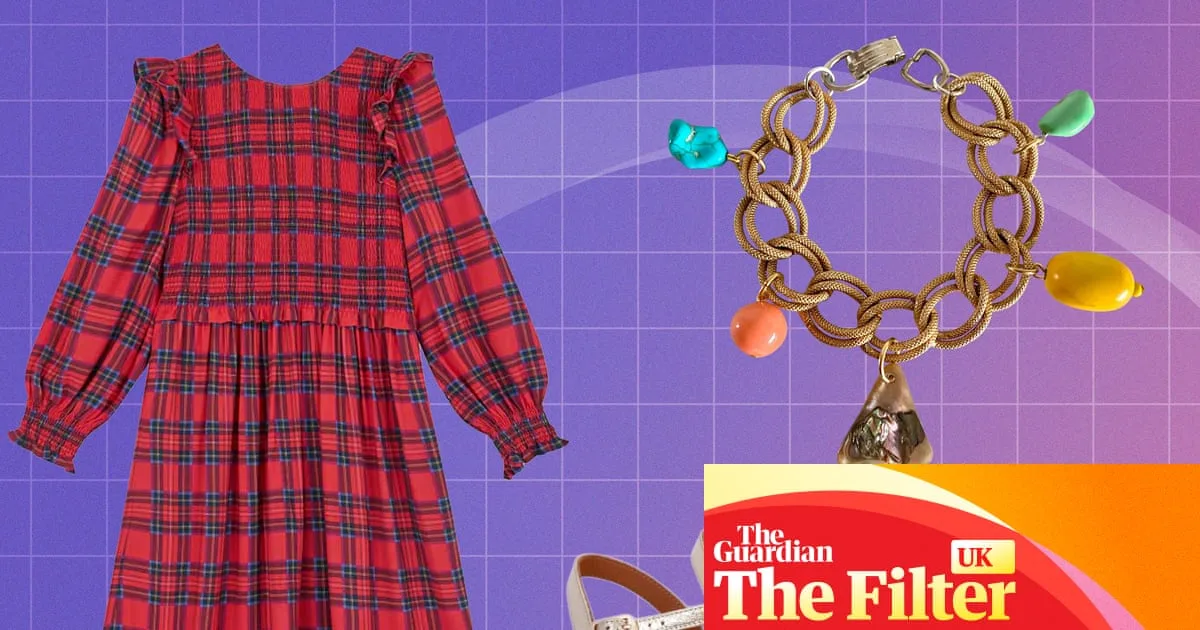
In spite of my own feelings about sequins, I am by no means a party pooper, and have been embracing less damaging festive fabrics and finishes – from velvet to tartan – for many years. Buying better in a way that's less damaging to people and the planet means investing in things you will wear year after year; timeless classics that are well made to stand the test of time. So if you want to bring some sequin energy to your look, minus the sequins, I have some alternatives up my puffed sleeve.