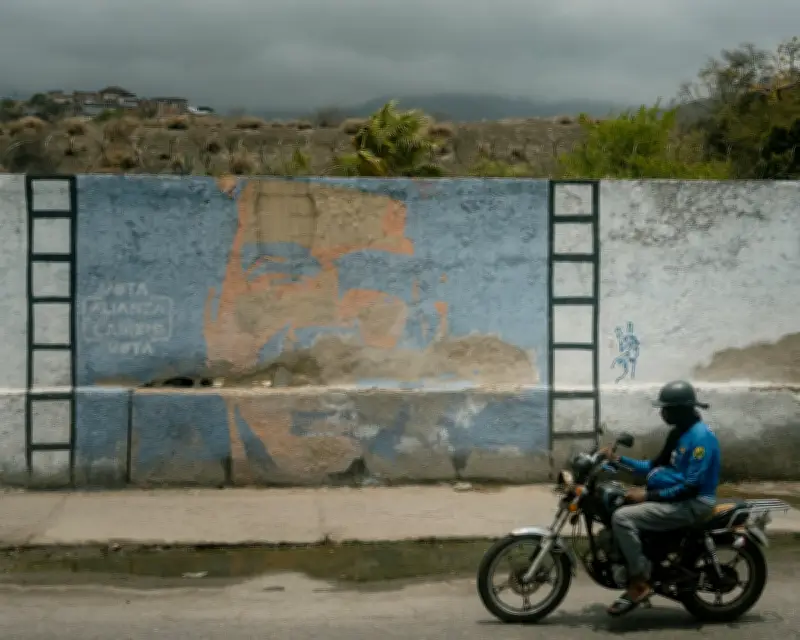
A faded mural of Nicolás Maduro in La Guaira, Venezuela, on 3 May 2026, symbolizes the rapid erasure of the former dictator from public view. Once omnipresent on propaganda billboards, Maduro's bewhiskered face is now being painted over or left to decay, as former allies distance themselves from the man they once glorified.
The Collapse of a Cult of Personality
For years, Maduro's image dominated Venezuelan streets, from billboards to plastic action figures portraying him as an indestructible superhero. However, five months after US special forces toppled him, his curated persona is crumbling. Giant images of Maduro and his wife, Cilia Flores, still adorn some highways, but many are being dismantled or whitewashed. In a Caracas housing estate, murals outside a bank and pharmacy were painted over, shocking locals.
Fading Support and Economic Collapse
Maduro's disappearance from public discourse mirrors a drastic drop in mentions by interim leader Delcy Rodríguez, from 86 times in January to just seven in March. Political commentator Phil Gunson notes that Maduro alienated even his own movement during an economic crisis that shrank the economy by 70% and triggered mass emigration. His frivolous dancing and singing on state TV further annoyed the public.

While some supporters still rally for his release, most protesters now wear white instead of the traditional red of the Chavista movement. A mural demanding freedom for Maduro and Flores was defaced with black paint, highlighting dwindling enthusiasm.
Conclusion
The erasure of Maduro reflects a nation eager to move on from dictatorship and economic ruin. As his name fades from official discourse, Venezuela's former ruler becomes a footnote in history.