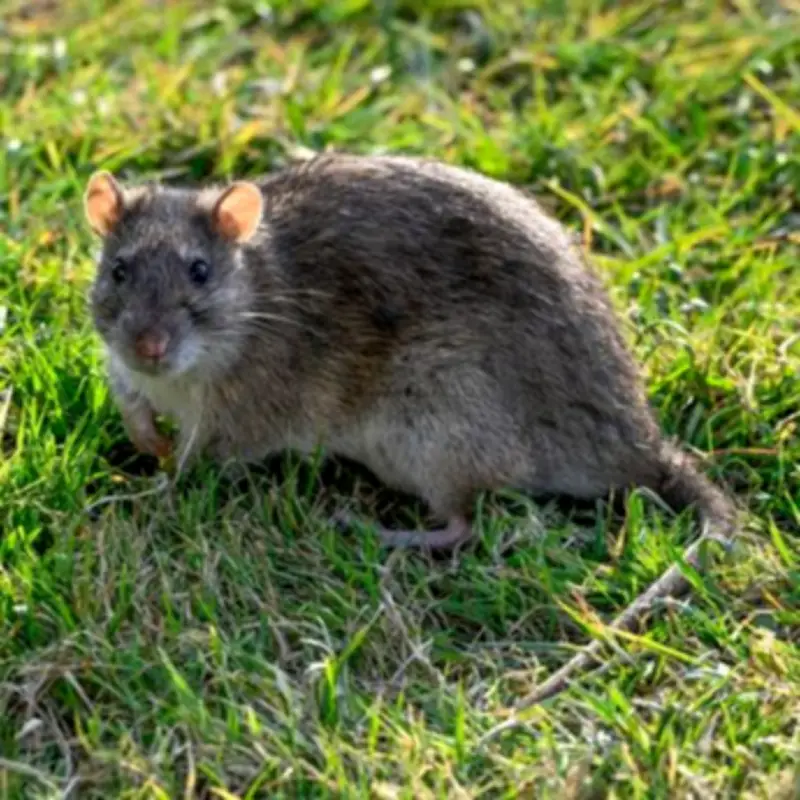
Summer has arrived in earnest, bringing with it one inevitable consequence - peak breeding season for rats. These troublesome rodents are establishing themselves throughout homes across the UK, with rat activity reaching unprecedented levels during the summer period.
Why rats are a problem in summer
These unwanted visitors grow particularly active between spring and summer, especially in Britain, where conditions prove ideal for breeding and thriving thanks to readily available food sources and shelter. While they possess considerable intelligence, these rodents rarely receive a warm welcome in homes, especially gardens, and our outdoor spaces typically bear the brunt of heightened rat activity.
These widespread rodents can transmit severe illnesses including leptospirosis, which may progress to Weil's disease, and occasionally hantavirus - a recent outbreak of which tragically claimed three lives.

What rats eat in gardens
Rats consume various foods including root vegetables like carrots and potatoes, fruits, and scattered bird feed. In gardens specifically, these troublesome creatures often establish nests in sheds, greenhouses, compost bins, and beneath decking.
Gardeners' World expert tips
Fortunately, Gardeners' World offers several expert-endorsed strategies for safeguarding gardens and plants from these unwelcome pests that cause destruction in our beloved outdoor areas - with one natural remedy costing merely £1.47.
Protecting garden plants from rats
According to Gardener's World, while options for preventing rats from consuming your crops and cherished garden plants are limited, there are several measures you can implement to discourage these rodents. To stop rats from damaging the plants in your garden, Gardener's World suggests applying peppermint oil on or around your crops. Rats possess an exceptionally acute sense of smell, and the powerful scent of peppermint is well-known for irritating them, making it one of the few aromas these creatures truly despise.
Peppermint oil is available at Asda for just £1.47 for 60ml. To make your own powerful rat-deterring homemade spray, you simply need 1 part peppermint oil combined with 2 parts water. Pour the mixture into a spray bottle, shake it thoroughly, and it's ready to use. Applying the solution on or around your plants will discourage rat activity in the treated areas. For optimal results, reapply the oil mixture twice weekly.
Other natural deterrents
According to the specialists, another powerful scent that rats dislike is that of the catnip plant. Positioning catnip along the edges of your garden is another suggested natural solution to prevent rats from entering gardens.
Additional cost-free approaches
Additional cost-free approaches to discourage rat activity in outdoor areas include maintaining a well-kept garden and frequently rearranging items in your garden space. According to Gardener's World, rats are far less likely to be drawn to well-maintained gardens, as they offer considerably fewer hiding places.
Keeping grass trimmed short, disposing of rubbish regularly, cutting back overgrown areas — particularly those close to garden buildings or fences — and decluttering storage spaces can all contribute to reducing rat activity in your garden.
Frequently rearranging items in your garden can also act as a deterrent, as rats are neophobic creatures, meaning they have an innate fear of unfamiliar surroundings. Rats are highly sensitive to any disturbance in their established territory, so placing small obstacles along their usual routes and regularly reorganising your garden is a simple, cost-free and remarkably effective way to discourage these disease-carrying pests from taking up residence.