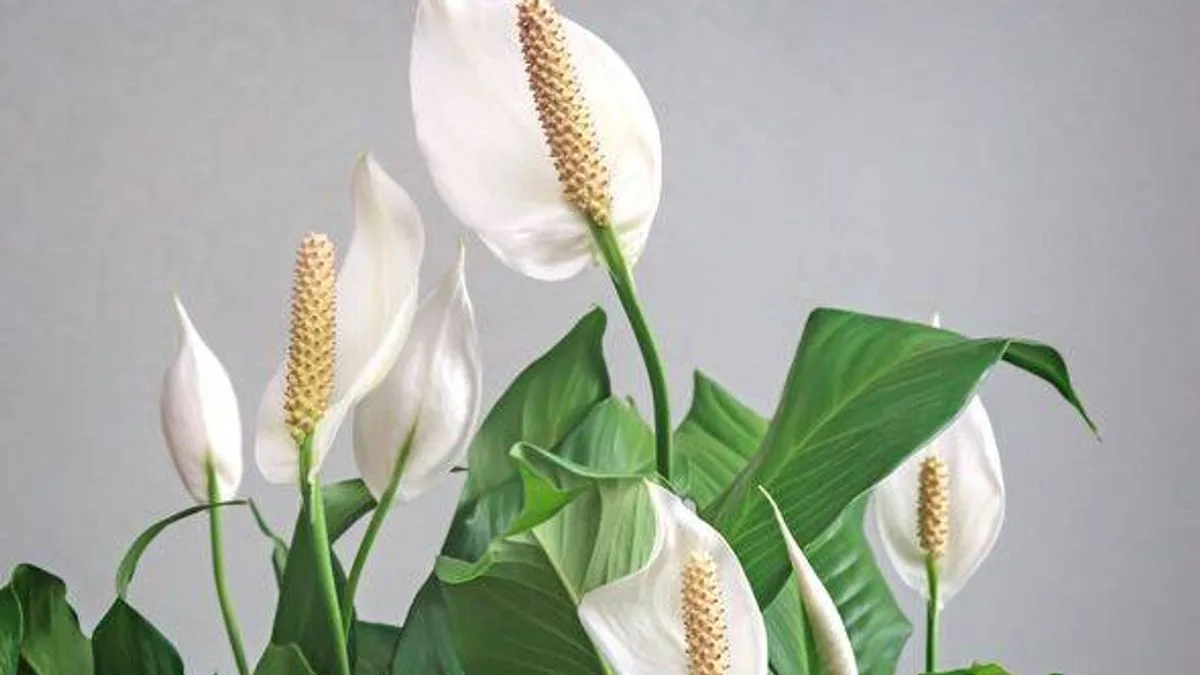
As spring envelops the United Kingdom, gardening aficionados are eagerly preparing their plants for a vibrant summer display. Among the most cherished indoor plants is the peace lily, renowned for its elegant white spathes and lush foliage, which typically flowers from spring through autumn. However, many enthusiasts encounter the common frustration of nurturing a healthy, green peace lily that stubbornly refuses to bloom.
The Natural Solution: Rice Water as a Fertiliser
For those seeking to avoid harsh chemicals, a natural household remedy has gained widespread acclaim for its effectiveness in encouraging peace lilies to flower. This simple technique involves using a cup of raw rice water applied once a month, a method praised for its impressive results on otherwise flowerless plants.
Why Rice Water Works Wonders
Rice water is considered an outstanding natural fertiliser due to its composition of essential nutrients. It contains modest amounts of nitrogen, potassium, and phosphorus, which are crucial for houseplant health. These elements boost flower production, promote foliage growth, and support robust root development.
Additionally, rice water is packed with beneficial nutrients such as zinc, iron, and sulphur, all of which contribute to plant vitality when applied in appropriate quantities. It also includes minerals like magnesium and B vitamins, which aid in energy production, leading to larger and superior blooms, particularly in peace lilies.
It is absolutely vital to ensure the raw rice water solution remains completely free from oil, salt, or any seasoning, as these additives can be damaging and detrimental to the peace lily's development.
How to Apply Rice Water to Peace Lilies
The process is straightforward and requires minimal effort. Begin by adding cold tap water to a cup of rice and rinsing it thoroughly, either by hand or with a spoon. The water will become cloudy, indicating the presence of beneficial starches and minerals.
After cleaning the rice, transfer the remaining solution into a cup or container. Use this to water your peace lilies once monthly. If the mixture appears too concentrated, dilute it with fresh water. Avoid storing raw rice water for extended periods to prevent spoilage.
Tishana, gardener and founder of Coco and Seed, explains: "After you wash your rice, the water that is left back contains starches and minerals. The minerals contain trace macronutrients of NPK, nitrogen, phosphorus, and potassium that help your plants grow."
An Alternative Rice-Based Method
Peace lilies seem particularly responsive to rice-based treatments, as evidenced by another popular technique. On the YouTube channel Plant Tips, a gardening expert demonstrated how rice flour combined with water can produce spectacular blooms.
The expert shared: "Amazing result, grow peace lily with one cup of rice flour, so many flowers explode." For this method, blend one cup of rice flour with water until a thin, runny consistency is achieved.
This solution can be used to wipe down the leaves of peace lily plants, with any remaining mixture tipped into the compost. As with rice water, apply this natural remedy only once monthly, as more frequent use can harm the plant's health.
In a demonstration, the Plant Tips expert watered a peace lily with the rice flour solution, even using a spray bottle to mist the plant's surface. Three months later, the plant was overflowing with blooms and appeared healthier and more vigorous than in initial images.
Key Considerations for Success
With both rice-derived methods, moderation is essential. Apply the natural fertiliser no more than once monthly. When not using rice water, provide your peace lily with ordinary tap water or rainwater to maintain its health.
By incorporating these simple, natural techniques, gardeners can transform their peace lilies into stunning, bloom-filled specimens, enhancing their indoor spaces with minimal effort and cost.