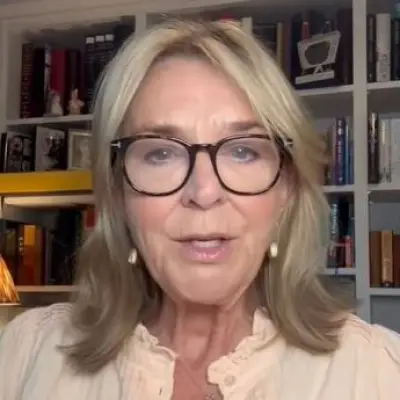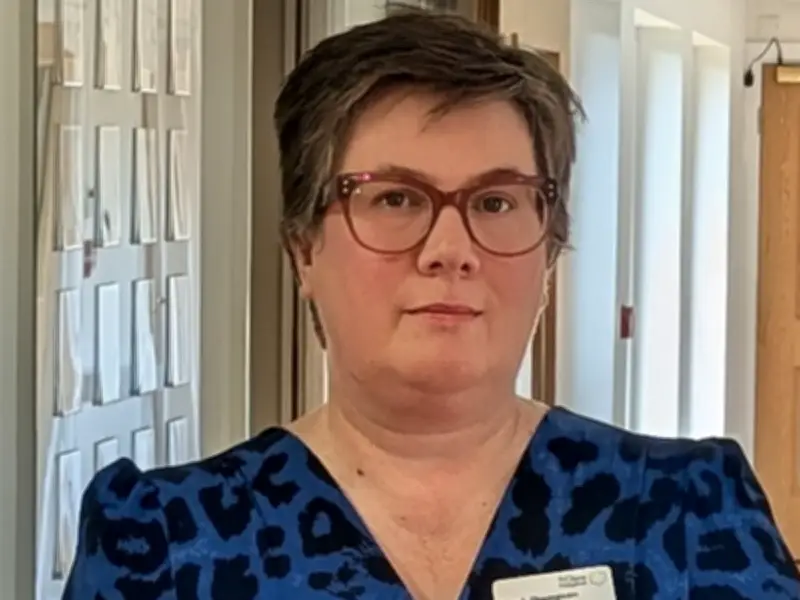
A 'heartbroken' hospice chief is warning that dying patients could end up in 'ambulances and A&E departments' after her organisation was hit by a devastating financial crisis. Sarah Thompson, Chief Executive of St Clare Hospice in Essex, has issued a passionate appeal for a radical overhaul of funding, describing the current system as 'utterly broken'.
Financial Crisis at St Clare Hospice
St Clare Hospice, based in Hastingwood near Harlow, provides end-of-life care for people in West Essex and East Hertfordshire. The hospice has been forced to cut vital services and lay off staff after a £1.3m loss this financial year. In a letter to volunteers, Thompson expressed her heartbreak, stating that over 60% of hospices in the UK will have been forced to cut services by the end of 2026. This means that across the country, people who are dying will not be able to access the highest quality of care that only hospices are equipped to provide, and skilled, compassionate staff are losing their jobs.
Broken Funding Model
Thompson wrote an emotional piece for the Mirror, emphasising that the hospice funding model is utterly broken. She argued that this is not a failure in hospice management or about hospices becoming irrelevant, but rather about the relentless rise in costs in the UK as hospices try to keep pace with NHS salaries and unexpected National Insurance bills. She expressed anger that the broken system, with neither the money nor the mechanism to move funding around the healthcare system, leaves independent hospices high and dry. If hospices, as charitable organisations, cannot afford to deliver services, no one is there to pick up the bill.

St Clare Hospice now receives only 20% of its funding from the NHS, with 80% coming from its generous local communities through bake sales, sky dives, sponsored runs, and charity shops. Thompson noted that hospices were founded by grassroots communities who believed that everyone deserves a good death, and they were built through hard work and fundraising. While hospices need local people's support even more now, it is not fair to ask them to plug the gap left by the unsustainable funding model from the NHS.
Impact on Services
Thompson is devastated that hospices will inevitably not be able to reach as many patients and their families who need support without a step change in NHS income and proper NHS contracts. She is heartbroken that St Clare Hospice is likely to lose dedicated, expert, and caring nurses, doctors, and colleagues who are so committed to serving the needs of some of the most vulnerable people in the community.
At St Clare Hospice, the decision has been taken to preserve the hospice's precious eight In-Patient Unit beds, which care for the most unwell, dying patients. However, the hospice's other specialist services are at risk, including a smaller number of Clinical Nurse Specialists, a reduced highly skilled medical team, and proposed cuts to the Hospice at Home service, patient and family support services, the closure of the dementia and community engagement programme, and the closure of GriefLine. These are distressing cuts that were incredibly difficult decisions to make.
Thompson warned that the patients the hospice can no longer serve are likely to end up in A&E, hospital corridors, or ambulances, or dying unsupported without the specialist care hospices can offer. She called for a fairer funding deal for hospices urgently, so they can continue to give peace, comfort, and dignity back to local patients who need specialist hospice care.
National Perspective
Toby Porter, CEO of Hospice UK, described the news as desperate. He stated that St Clare has a truly excellent clinical team and care service, invaluable to their local community, yet they receive one of the smallest NHS contributions in the whole of Essex. He noted that hospice services are being cut to the bone, with desperately needed beds lying unused because hospices cannot afford to staff them, dedicated and expert staff being made redundant, and vital community support being scaled back. Ultimately, it is patients and families who pay the price.

Porter welcomed the Government's recognition of the pressures facing hospices through the development of a Modern Service Framework for palliative and end-of-life care. However, he emphasised that recognition alone is not enough; what matters now is how that commitment translates into real-world change. With more hospices announcing cuts every month, Hospice UK is worried that change may come too late for many. They are calling on the Government to commit to £112.5 million in recurring funding this year as part of their four-point plan to stem the tide of hospice cuts and secure the future of hospice care.