As a heatwave sweeps the UK from now until Thursday, temperatures are expected to climb to 39°C and beyond in parts of the country, according to the Met Office. The peak is forecast for Wednesday and Thursday, potentially breaking the record for the highest June temperature ever recorded in the UK.
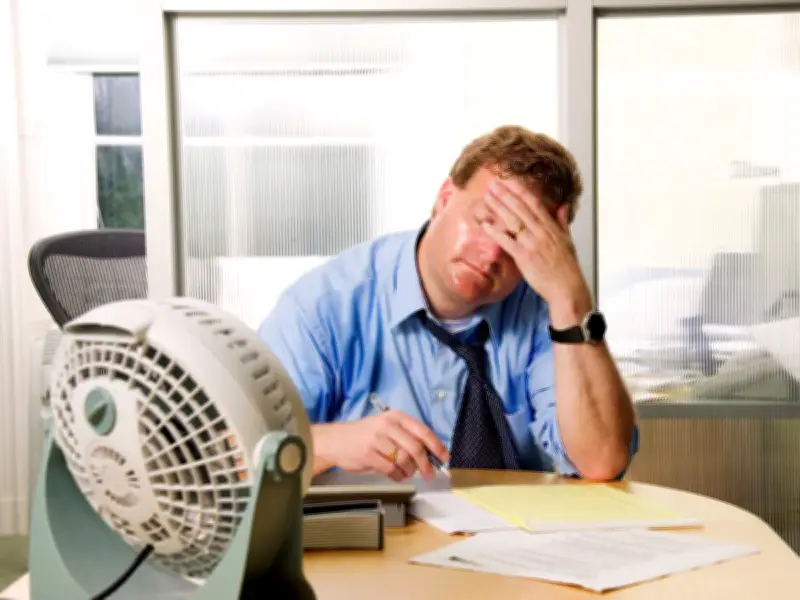
With soaring temperatures, many workers are asking: how hot is too hot to work? Employment lawyer Natalie Peacock from Rogers and Norton has explained the rights of UK workers during extreme heat, emphasizing that employees need not suffer in silence.
Does the UK Have Legal Working Temperature Limits?
According to the UK government, there is no law setting minimum or maximum working temperatures. However, government guidance states: “During working hours the temperature in all indoor workplaces must be reasonable.” The Approved Code of Practice on the Workplace (Health, Safety and Welfare) Regulations suggests a minimum temperature of 16°C for indoor work and 13°C for physically demanding work. No maximum temperature is specified.

Employers must still adhere to health and safety at work law, which requires keeping the temperature at a comfortable level, providing clean and fresh air, and allowing employees to report discomfort. Workers should talk to their employer if the temperature is uncomfortable.
Heatwave Rights Explained by a Lawyer
Natalie Peacock notes that extreme heat is becoming an increasingly serious workplace issue in the UK. “As heatwaves become more frequent, workplaces not equipped to deal with extreme heat can result in a number of issues employers must address. Heatwaves don't just affect comfort; if staff overheat, performance and attendance can decline,” she says.
Many workers mistakenly believe there is a legally defined maximum temperature. Peacock cautions that employers can still face repercussions if they neglect their duty of care. “Whilst there is no legal maximum workplace temperature, employers owe a duty of care to their staff. Heat is a foreseeable risk employers are expected to manage. Failing to manage the risk can amount to a breach of the Health and Safety at Work Act,” she explains.
Peacock recommends practical measures: permitting additional breaks, ensuring staff stay cool and hydrated, carrying out risk assessments, improving ventilation, and providing shelter or shade for outdoor workers. Some employers also offer free sunscreen and fans.
Can I Legally Go Home If It's Too Hot?
The Health and Safety Executive classifies heat as a hazard with legal obligations. Peacock says employees struggling with heat may request flexible working hours or permission to work from home during the hottest parts of the day. “Employers may consider simple, temporary adjustments, such as flexible hours for working during cooler parts of the day or agreeing to homeworking requests,” she states.
Duties to protect employees continue when working from home. Employers should carry out homeworking risk assessments and may provide fans for employees' homes. Staff with health conditions aggravated by high temperatures could be entitled to additional protections if employers neglect reasonable adjustments. “Extreme heat can cause health issues for which the employer may be liable if they have not taken reasonable steps to prevent exposure. Employees with medical conditions aggravated by heat may require reasonable adjustments, leaving employers at risk of claims for disability discrimination,” Peacock warns.
Ultimately, while employers cannot control the weather, they can take steps to protect their workforce, improving comfort and sustaining performance during a heatwave.