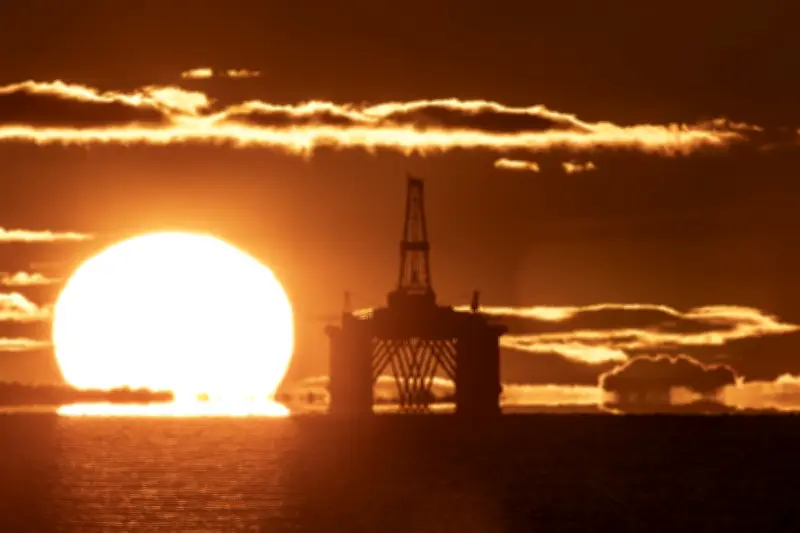
The north-east of Scotland is entering a critical period for energy jobs, with a report warning that up to 18,000 positions could be lost from the offshore energy workforce by 2035 unless the transition to renewables accelerates. Professor Paul de Leeuw, director of the Energy Transition Institute at Robert Gordon University, described the region as approaching a 'Goldilocks zone' where the decline in oil and gas employment must be matched by growth in green energy to prevent a permanent loss of skills.
Current workforce and projected shifts
The north-east of Scotland currently hosts about one-third of the UK's 115,000 offshore oil and gas jobs and one-quarter of the 154,000 offshore energy jobs. Presently, 90% of the regional offshore energy workforce is employed in oil and gas, with only 10% in renewables. However, by 2035, between 55% and 70% of jobs could be in the green energy sector, according to the report from the Energy Transition Institute.
Opportunities in offshore wind
The report highlights that the UK is among five countries expected to deliver most of Europe's target of 300 gigawatts of installed offshore wind capacity by 2050. This presents a 'material opportunity' for countries bordering the North Sea, particularly the north-east of Scotland, which is already well positioned to benefit from renewables.

Professor de Leeuw said: 'A picture is now clearly developing of how the one-time oil capital of Europe has a genuine opportunity to redefine itself and reaffirm its status as a global centre of energy excellence. The workers who helped build one of the world's most productive offshore basins have the skills to power its next chapter.'
Skills transferability and investment needs
Most energy jobs are 'highly transferrable' from oil and gas to offshore renewables, requiring 'short-term upskilling rather than wholesale retraining,' according to de Leeuw. This gives the region 'a structural head start that few other regions in the UK or Europe can match.'
However, he stressed the need for investment in renewables to keep jobs in the north-east. The report warns that the next five years are a 'make-or-break period' in which the reduction of the region's oil and gas workforce must be matched by growth in offshore renewables employment.
Professor de Leeuw added: 'The Goldilocks zone is real and the window is closing. Once that skilled workforce disperses, it does not come back. The north east of Scotland has the assets, the geography, and the people to make this transition work. What it needs now is the investment, policy alignment, and co-ordination to match.'
Government responses
UK Energy Minister Michael Shanks said: 'We aren't turning off the taps on oil and gas in the North Sea but we are building up the jobs for the future. There are already thousands of jobs in renewable energy and upgrading the grid across Scotland, and, as this report sets out, oil and gas workers are in prime position to take up these opportunities.'
Scottish Energy Minister Stephen Gethins noted that the Scottish Government has invested £17 million in the latest round of its Just Transition Fund, adding to more than £85 million invested into 28 projects since 2022. He said: 'However, a just and managed transition for the workforce requires a parallel approach, in which North Sea oil and gas production is managed alongside the increasing deployment of renewables. Currently reserved policies, such as the energy profits levy, are driving an accelerated decline of North Sea oil and gas before renewables can be ready, putting that transition at risk.'