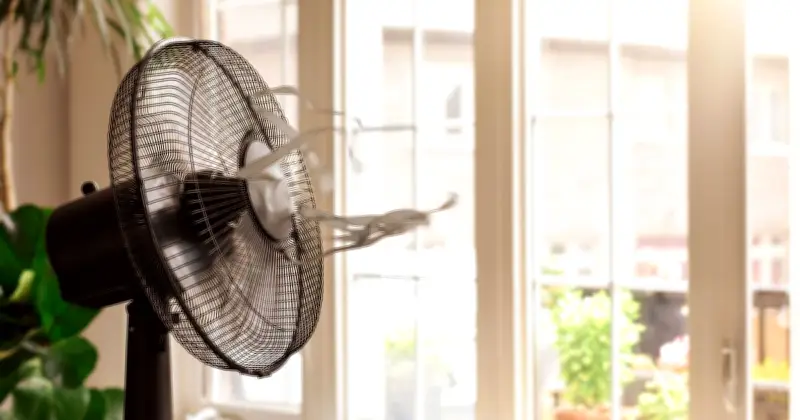
UK households are being advised not to use electric fans directly on their bodies from Tuesday as temperatures are forecast to reach a record-breaking 38C in parts of England. Experts warn that when indoor air temperatures exceed 35°C, fans can blow hot air onto the skin, causing the body to absorb heat rather than cool down. This can increase strain on the heart and speed up dehydration, particularly dangerous for older adults, young children, and those with existing medical conditions.
Amber Extreme Heat Warning in Place
Amber Extreme Heat Warnings remain in effect across large parts of England and Wales from Monday through Thursday. The Met Office predicts temperatures will reach 34C on Monday, climbing to 37C in southern England and 35C in southeast Wales on Tuesday. Wednesday and Thursday are expected to be the hottest days, with highs of 38C possible in parts of England. If reached, this would exceed the UK's current June record of 35.6C, set in Southampton in 1976 and Camden Square in London in 1957.
Expert Advice on Fan Use
Haringey Council has advised residents to use electric fans only when air temperatures are below 35°C and not to point them directly at themselves. The council stated: "Use electric fans if the air temperature is below 35°C, but do not aim the fan directly at your body, as this can lead to dehydration." The cooling effect of fans relies on sweat evaporation from the skin. In extreme temperatures, sweat can evaporate too quickly without significantly lowering core body temperature, creating a false sense of security.

Health Risks and Vulnerable Groups
Health experts emphasise that older adults, young children, and people with chronic illnesses are particularly vulnerable to heat-related illness. The UK Health Security Agency has issued heat health alerts, warning of potential impacts on healthcare services and vulnerable groups. Dr. Tom Crabtree, Met Office deputy chief forecaster, described the heatwave as a "potentially severe weather event," adding: "The forecast heatwave is developing into an impactful severe weather event, with record-breaking June temperatures and very high humidity. The combination of heat and humidity will be oppressive and bring impacts across society from public health and infrastructure, to power and water supplies."
Overnight 'Tropical Nights' Expected
Overnight temperatures are expected to remain above 20°C across many urban areas in southern England, creating what meteorologists call "tropical nights." This lack of cooling can exacerbate health risks, especially for those without adequate ventilation or air conditioning.
Recommendations for Staying Cool
Experts recommend keeping homes shaded during the day by closing curtains or blinds, drinking plenty of fluids, avoiding strenuous activity during the hottest hours (11am to 4pm), and checking on elderly relatives or neighbours. For those using fans, specialists advise positioning them to circulate air around the room rather than directing a constant stream of hot air at the body when temperatures exceed 35°C.