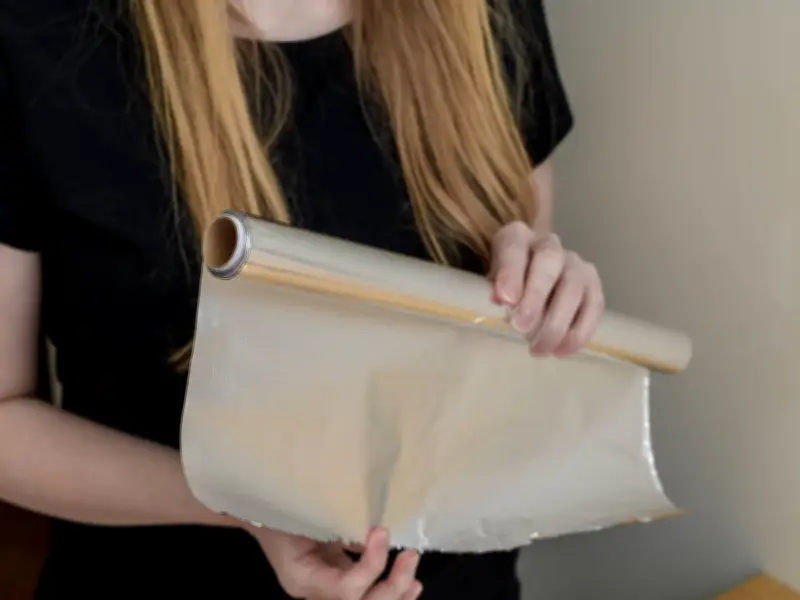
As a heatwave sweeps across the UK, with temperatures predicted to reach 38°C in parts of England and Wales, households are being advised to use a simple and inexpensive trick to keep their homes cool: placing tin foil on windows. The Met Office has issued a rare red warning for heat on Wednesday June 24 for areas including the Midlands, London, the South East and Cardiff, highlighting the potential health risks, especially for vulnerable people.
How Tin Foil Works to Deflect Heat
The method, recommended by British Gas, involves unrolling kitchen foil—available for as little as £1.20 at supermarkets like Asda, Tesco, Morrisons, Sainsbury's and Aldi—and placing it across windows that receive direct sunlight. The foil reflects sunlight away from the window, preventing the greenhouse effect that normally amplifies heat inside the home. Jessica Rawstron, a British Gas Smart Energy Engineer, explained: "This is an affordable and super effective tool for keeping your house cool in summer by keeping the sun's rays at bay. It's not very expensive and widely used in hotter climates, and it can reduce heat and glare by up to 99%."
Rawstron also noted additional benefits: "It can give you a bit more privacy without sacrificing any natural light, and another bonus is that reflective window film can help to protect your furniture and flooring over time by blocking harmful UV rays and so preventing sun damage." While professional installation is available, the DIY approach is straightforward.

Exterior Placement Is Key for Best Results
Adam Pawson, Head of Digital at Safestyle, emphasised the importance of correct placement. He told Ideal Home: "Blocking your windows with tin foil will help to keep your rooms cooler in the heat as it reflects the heat back outside. However, one mistake people make is by placing the foil on the inside of the window. It is really important to be careful to place the tin foil on the outside of your windows rather than the inside to prevent the glass from getting too hot."
An alternative approach—keeping windows open while drawing curtains—can still allow some warmth to seep through, whereas foil is more effective at deflecting the sun's rays. For those who prefer not to use foil, opening windows and doors only in the evening to let cooler air circulate is recommended, along with closing curtains on sun-facing windows during the day.
Additional Tips for Keeping Cool
Other methods to keep homes cool include placing bowls of water in various rooms; as the water evaporates, it helps maintain a cooler air temperature. Houseplants also act as natural air conditioners by releasing moisture through transpiration. Switching off unused appliances can make a difference, as devices on standby generate small amounts of heat. Charging phones overnight instead of during the day reduces heat output. Energy-saving LED light bulbs are preferable to traditional halogen bulbs, which emit considerable heat. Keeping lights off where possible also reduces energy bills.
With the heatwave posing health risks, especially for the elderly and those with pre-existing conditions, these simple measures can help keep homes cooler and reduce the strain on health services.