Swimmers who jump into open water often die within their first gasp due to 'cold shock' - an involuntary breath that can cause them to inhale too much water in seconds. Even without being fully submerged, a wave crashing over the face can lead to inhaling two to three litres of water, while an adult can drown in just one-and-a-half litres.
What is Cold Shock?
The term 'cold shock' was coined in the 1980s by Professor Mike Tipton, the UK's leading expert on extreme environments, as he studied the body's reaction to immersion in cold water. The professor now fears that climate change has increased the risk of cold shock. He explains that the cold shock response peaks between 10°C and 15°C.
When air temperatures reach the 30s in May, but water temperatures remain in the low teens, it creates a 'perfect storm'. This combination led to 19 deaths in a single month, compared to the average of one drowning per day in May. The unprecedented temperatures tripled the usual death toll.

The Body's Response
Cold shock is an involuntary physiological response triggered by rapid cooling of the skin, specifically the cold receptors located about 0.18mm below the skin's surface. The gasp and loss of control of breathing are the most dangerous responses, dramatically decreasing breath-hold time to just seconds and significantly increasing the chance of drowning.
For individuals with pre-existing cardiovascular disease, hypertension, or aneurysms, the sudden increase in cardiac output can cause heart problems. These reactions are part of the body's fight-or-flight response and last about 90 seconds until the body adapts.
What to Do If You Experience Cold Shock
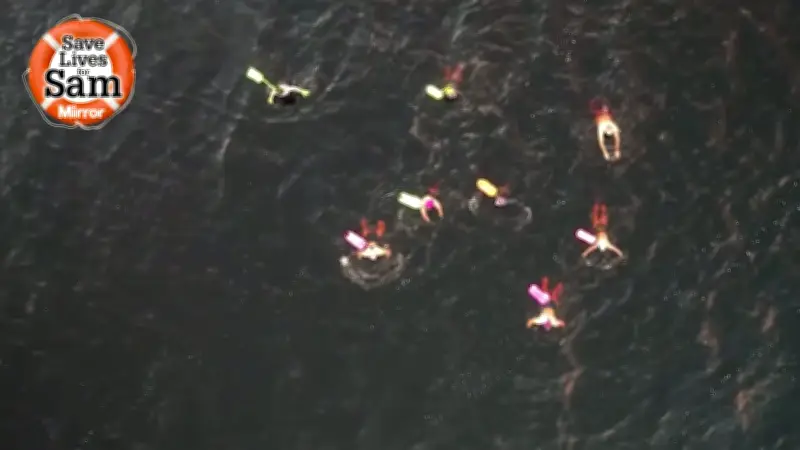
Professor Tipton advises: 'What you should be doing in those ninety seconds is not thrashing around, not waving your arms, not trying to swim. It's to stay as still as you can, FLOAT TO LIVE. Do as little as possible. Roll onto your back. Tilt your head back until your ears are in the water to make your mouth really clear of the water and float until you get your breathing back under control.' He recommends practicing floating in a swimming pool.
If You See Someone in Trouble
Do not enter the water yourself. Instead, phone the emergency services, tell the person to float, and throw them something that can help them float.
Most Dangerous Time of Year
Around May and June is the most dangerous time for cold water shock because air temperatures rise quickly while water temperatures remain low. The chance of drowning increases by 70% when air temperature exceeds 30°C, as the warm air draws people to the water, but the water remains dangerously cold.