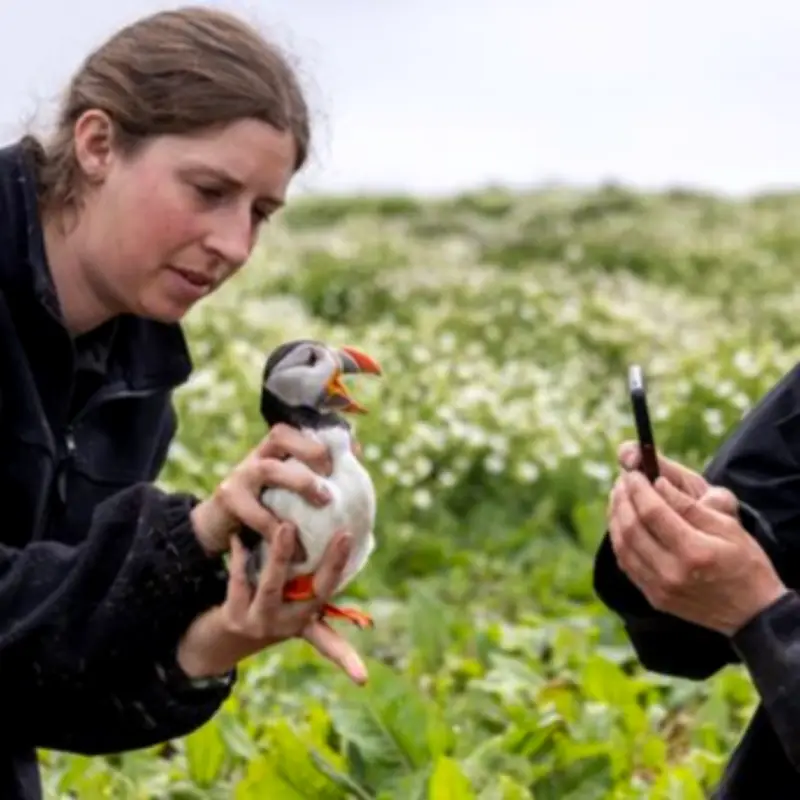
The 2026 puffin census is now underway on Northumberland's Farne Islands. Rangers have begun the annual count, which helps build a long-term picture of how seabirds are faring.
Importance of the Census
There are 23 different species of seabirds that breed on the Farnes, many of which were severely impacted by bird flu in 2022 and 2023, followed by storms Goretti, Ingrid, and Chandra this year. Last year's census revealed that puffin numbers had dropped from around 50,000 to 38,000.
Tom Hendry, area ranger for the National Trust, said: "The census is an essential part of our work - it helps us understand how puffins are coping in a rapidly changing world, and what more we can do to protect them. After the challenges of recent years, it's more important than ever that we continue to monitor these seabirds closely, so we can give them the best possible chance of thriving in the future."

Puffin Behavior and Counting Methods
Puffins have been on Inner Farne since late March, and some of the first pufflings have already started to hatch. They will remain until the last pufflings hatch in mid-August, before spending the rest of the year at sea. Due to nesting underground, counting puffins can be difficult. Rangers monitor burrows to see if they are occupied, with signs including fresh digging or loose soil. Sometimes rangers put their arm into the burrow to check for occupants, which can result in a painful nip.
For the first time in 2024, rangers used endoscope cameras to investigate the burrows. Findings are then extrapolated to estimate the overall population, providing a reliable picture of puffin numbers and helping to track changes over time.
Broader Conservation Efforts
Tom continued: "Seabirds like puffins are a key indicator of the health of our wider marine environment. The Farne Islands are internationally important for breeding seabirds, and the data gathered through this census contributes to a much bigger picture - helping inform conservation efforts not just here, but across the UK and beyond."
As of last year, nature lovers can tune in to watch the Farne Islands puffins through the National Trust's puffin cams. One camera is focused on the puffin burrows, while a second trains a lens on the cliffs where guillemots roost and nest.
Visiting the Farne Islands
Those who want to see the puffins in person can do so by visiting the Farne Islands, which can be booked through tour operators in Seahouses. Those who wish to land on Inner Farne must pay separately for an entry ticket and a boat tour.