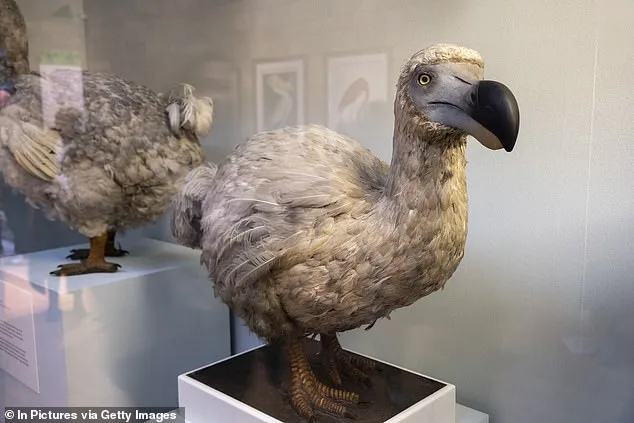
Scientists at Colossal Biosciences, a Texas-based 'de-extinction company', have achieved a significant milestone in their quest to bring the dodo back from extinction. They have successfully grown primordial germ cells from the Nicobar pigeon, the dodo's closest living relative. These stem cells, which develop into sperm or eggs, represent a world first for pigeon species.
The next step involves editing these pigeon cells with dodo DNA and transferring them to gene-edited chickens. This process is expected to enable the chickens to lay dodo eggs, potentially leading to the birth of the first dodo chicks by 2030. Ben Lamm, CEO of Colossal Biosciences, described the development as 'a significant advancement for dodo de-extinction' and a 'pivotal step' in the project.
The new dodos would eventually be released in Mauritius, their original habitat. Colossal has partnered with The Mauritian Wildlife Foundation to identify a suitable location for the first flock, with the goal of establishing a genetically diverse population of 'thousands' of birds. However, some experts question whether the resulting birds would be true dodos, given the challenges of perfectly replicating an extinct species' genetic code.

Professor Phil Seddon of the University of Otago acknowledged the 'amazing technological breakthroughs' but cautioned that extinction 'really is forever'. He noted that the advances could have applications for conserving existing species. The dodo, discovered by Europeans in 1598, was flightless and fearless, making it easy prey for humans and introduced animals. Its last confirmed sighting was in 1662.