A federal judge has ruled that ConocoPhillips Alaska can proceed with its winter drilling programme in the National Petroleum Reserve-Alaska, rejecting a request from conservation groups and an Iñupiat-aligned organisation to halt the work pending a legal challenge.
US District Court Judge Sharon Gleason said the groups had not demonstrated a “fair chance of success” on the merits of their claims that the Bureau of Land Management improperly analysed the programme. The ruling allows the company to move forward with seismic surveys and the drilling of four exploration wells.
The decision comes after a mobile drilling rig toppled onto snow-covered tundra near existing infrastructure while being transported last week. ConocoPhillips told the court the incident would not derail its plans and that a substitute rig would be used.

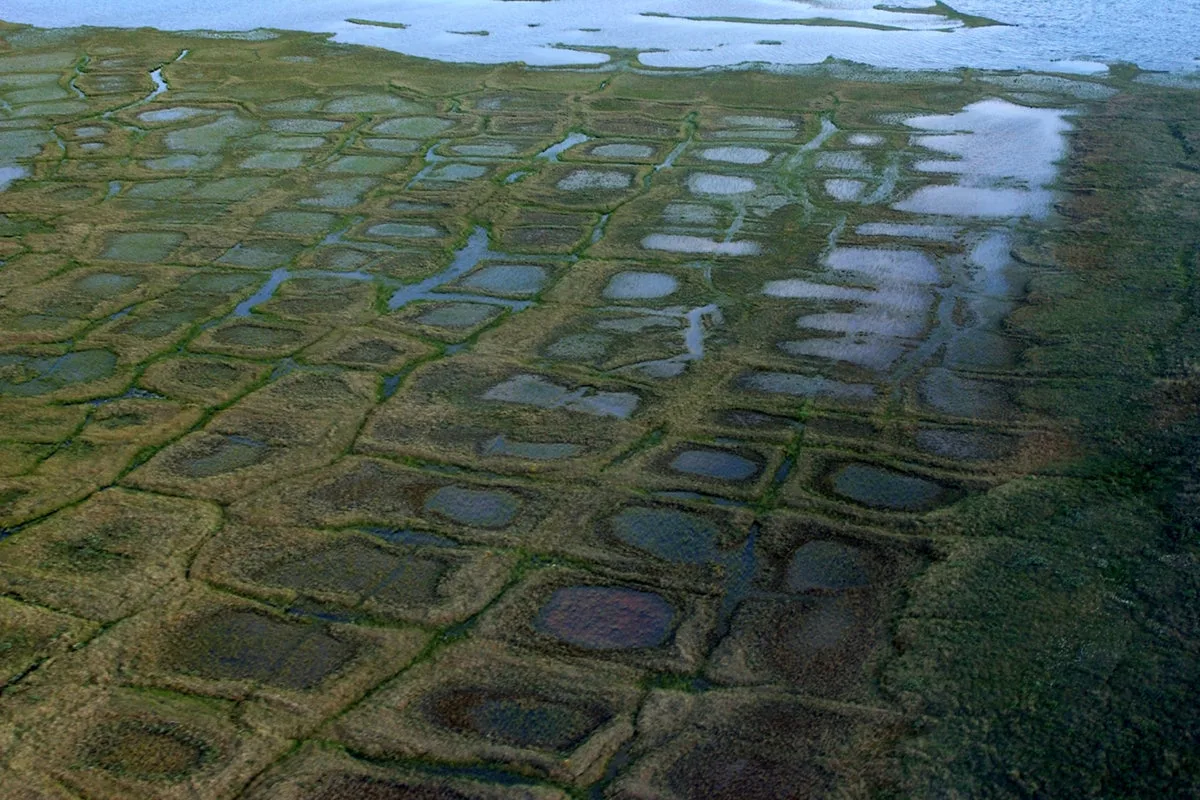
The lawsuit, brought by Sovereign Iñupiat for a Living Arctic, the Center for Biological Diversity and The Wilderness Society, alleged the approval process lacked transparency and was rushed. The groups argued the programme could harm caribou and bird habitats in the reserve, which spans an area roughly the size of Indiana on Alaska’s North Slope.
Judge Gleason noted that the Bureau of Land Management is not required “to prevent all impacts to surface resources” and had conducted a “reasonably thorough analysis” of the winter programme’s effects on tundra vegetation. She also highlighted the agency’s planned mitigation measures.
Earthjustice attorney Ian Dooley, representing the plaintiffs, said the ruling does not end the challenge and criticised the Bureau of Land Management for not halting the project to investigate the rig collapse. ConocoPhillips welcomed the decision, saying it looks forward to “responsibly exploring and developing Alaska’s resources.”