London, San Francisco and Beijing are among 19 global cities that have achieved “remarkable reductions” in air pollution, according to a new analysis. The study found that levels of two airway-aggravating pollutants have been slashed by more than 20% since 2010, driven by interventions such as cycle lanes, electric cars and restrictions on polluting vehicles.
Beijing and Warsaw topped the ranking for reducing fine particulate pollution (PM2.5), with cuts of more than 45%. Amsterdam and Rotterdam saw the greatest improvement in nitrogen dioxide (NO2), with reductions exceeding 40%. San Francisco was the only US city to cut both pollutants by more than 20%.
The analysis, shared exclusively with the Guardian, examined nearly 100 cities worldwide. Nine of the 19 cities are in China and Hong Kong, with European cities making up the rest. “This report shows that cities can achieve what was once thought impossible: cutting toxic air pollution by 20-45% in a little over a decade,” said Cecilia Vaca Jones, executive director of Breathe Cities, one of the organisations behind the report.

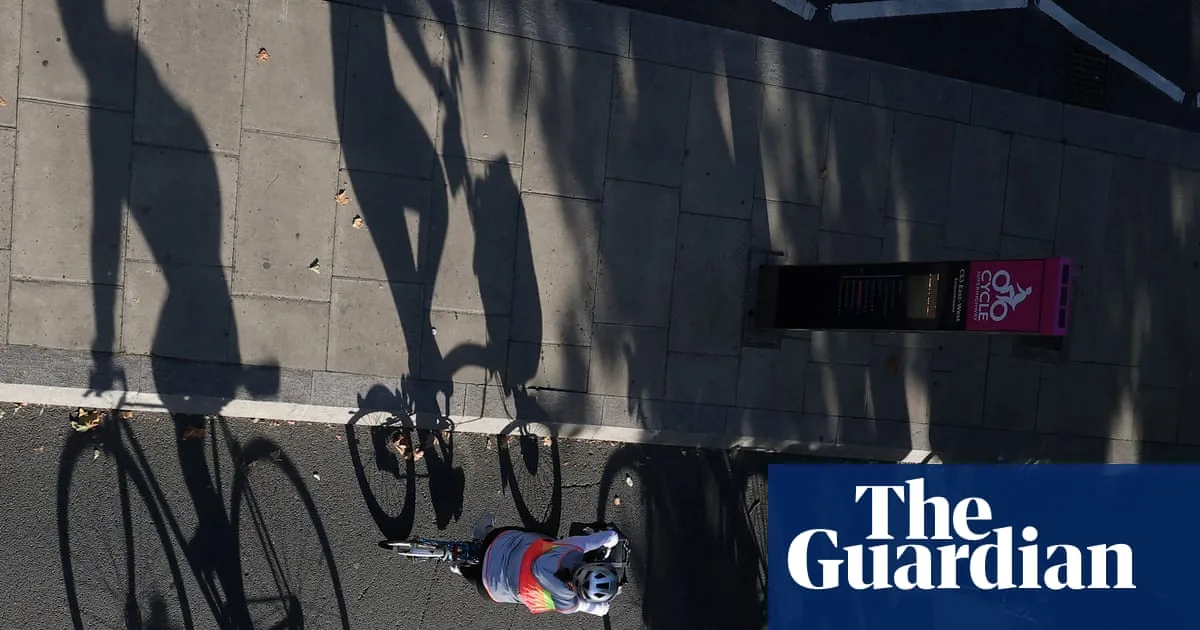
The report highlighted successful measures including China’s rapid switch to electric cars, expansion of cycle lanes in dense European cities, London’s restrictions on dirty vehicles, and Warsaw’s shift away from coal and wood home heating. It did not distinguish between improvements from local versus national policies.
Dr Gary Fuller, an air pollution scientist at Imperial College London, said: “Air pollution is often presented as a problem that is too difficult to solve... This report shows that bold policies can improve the air that we breathe.” Last year, a separate report found that only seven countries met World Health Organization guidelines for PM2.5, which has no safe levels and is linked to health issues from low birth weight to dementia.