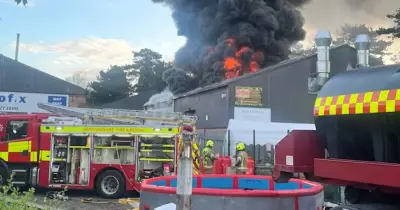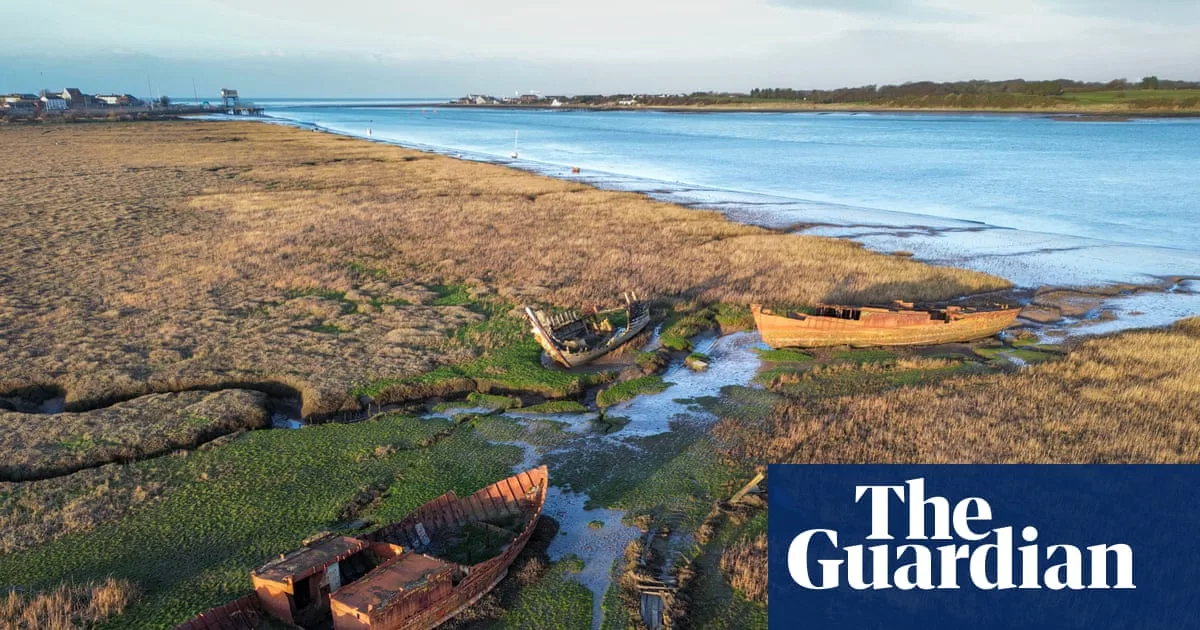
Independent testing has found a toxic ‘forever chemical’ in soils around a Lancashire chemicals plant, despite regulators failing to test for the substance. The Environment Agency has been sampling for per- and polyfluoroalkyl substances (PFAS) near AGC Chemicals but has excluded a compound called EEA-NH4, which is produced by the factory and classified as reprotoxic category 2.
EEA-NH4 is used in the production of non-stick coatings, and agency reports estimate around 800kg of the chemical is emitted into the River Wyre annually. The substance is described as ‘very persistent’ and ‘mobile’ in the environment, yet the agency says it cannot test for it due to the lack of an established analytical standard.
Dr David Megson, a forensic scientist who analysed the independent samples, said: ‘Our results showed that in addition to PFOA, the soil surrounding the site consistently contains EEA-NH4 and hydrogen-substituted carboxylic acids. Less is known about them but studies are showing that they have a similar toxicity.’ He warned that ignoring these chemicals could lead to an underprediction of health risks.

The Environment Agency has been investigating AGC since high levels of the banned carcinogen PFOA were found being discharged into the River Wyre. Residents have been advised not to eat food from their gardens, and PFOA has been detected in vegetables. AGC stated that no conclusion has been reached in the ongoing investigation.
Professor Hans Peter Arp of the Norwegian Institute of Science and Technology called for stronger monitoring of total PFAS emissions, saying: ‘Citizens, who often bear the health and remediation costs, need to know how much PFAS is being released so polluters can be held responsible.’ Lancaster University’s Professor Crispin Halsall added that the agency should widen its screening to include EEA-NH4 and related compounds, which could alter risk assessments.