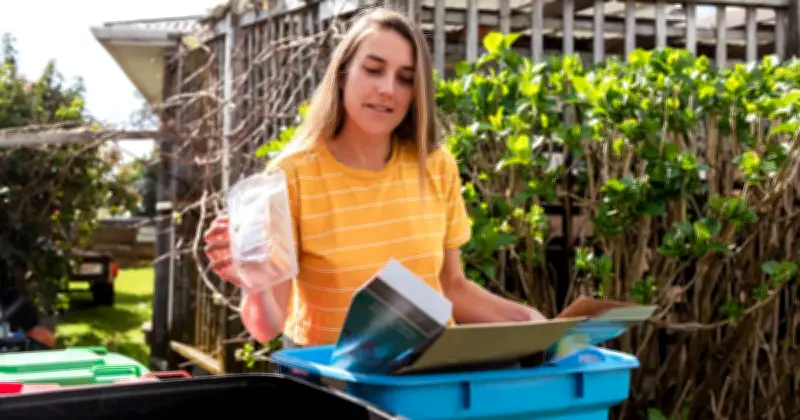
Households in England could face a £200 fine for a common recycling mistake under the new Simpler Recycling rules. The regulations, introduced by the Labour Party Government in March, aim to standardise waste collection across the country.
Common Misconceptions About Recycling
James Ward from Wheeldon Brothers highlighted items that are often mistakenly placed in recycling bins. 'Common misconceptions about recycled items are animal waste, disposable nappies, glass cookware, ovenware, drinking glasses, ceramics and sticky tape,' he said. 'Items like tissues, wet wipes, cotton buds, and cotton wool are also unsuitable for recycling. They should be disposed of in waste bins to prevent contamination.'
Ward emphasised that individuals need to be aware of what items are unsuitable for recycling, as ignoring this can lead to potential fines.

Toothpaste Tubes Require Specialised Recycling
Despite being plastic-based, toothpaste tubes require specialised recycling methods not typically offered through kerbside collection. Ward explained that consumers can explore take-back schemes facilitated by manufacturers and retailers, diverting toothpaste tubes from general recycling bins to designated recycling channels.
'While your council may accept plastic bottles for recycling, other forms of plastic packaging like wrappers or containers might not cut depending on the council,' he added. 'These items, though recyclable, require specialised processing beyond what's available locally, adding to disposal costs. It's a reminder to explore alternative disposal methods or utilise designated recycling centres for these materials.'
New Bin Regulations Under Simpler Recycling
Under the March 31 shake-up, councils in England must provide separate collections for food and garden waste, paper and card, and all other dry recyclable materials. This includes glass, metal, plastic and cartons, as well as non-recyclable waste. The new requirements apply to all households, including flats and communal properties.
Labour Party Cabinet member Mary Creagh, an environment minister, said councils had received a significant uplift in this year's Budget to help make the policy a success.