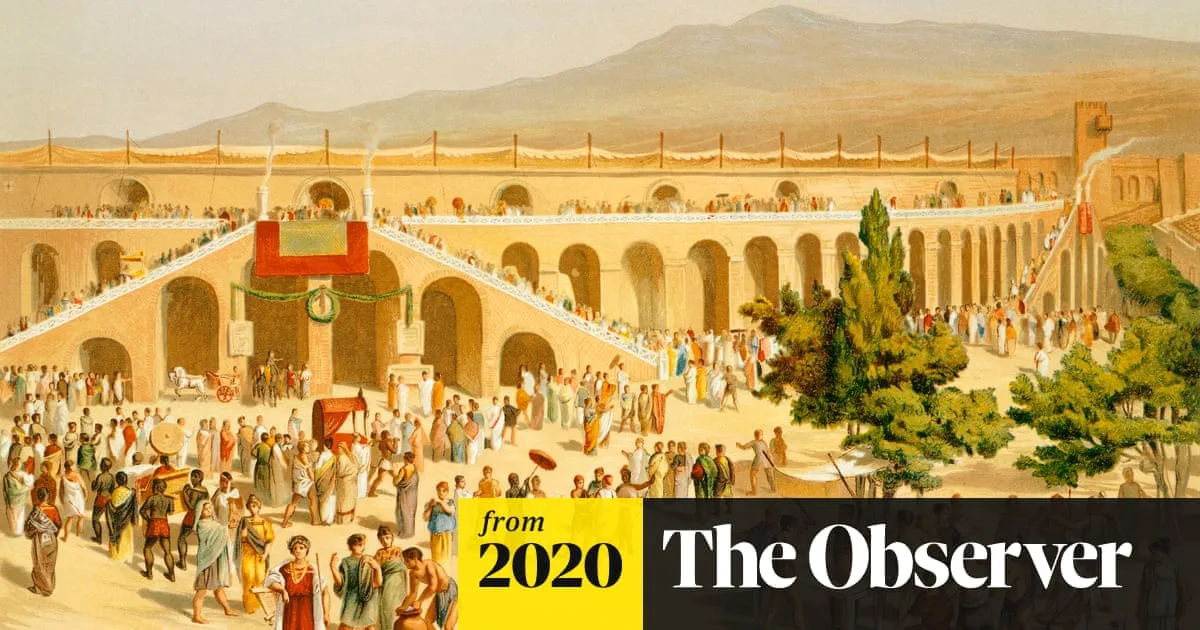
New research at Pompeii suggests the Romans were not just master builders but also pioneers of recycling. Excavations have revealed that huge mounds of refuse outside the city walls were not simply dumped but were staging grounds for sorting and reselling materials.
Professor Allison Emmerson, an American academic working at the site, said rubbish piles along the northern wall included ceramics and plaster that could be repurposed as construction materials. Previously thought to be earthquake debris, scientific analysis now shows that waste was moved from the city to suburban deposits and back again for use in buildings such as earth floors.
Emmerson and colleagues used soil samples to trace the movement of rubbish. Soil from latrines was rich and organic, while waste from streets or mounds was sandier, allowing them to distinguish between locally generated waste and material collected for reuse. Some walls contained reused tiles, broken amphorae, and lumps of mortar, all hidden under a final layer of plaster.

“The Pompeians lived much closer to their garbage than most of us would find acceptable,” Emmerson said. “Their systems of urban management were organised around different principles, prioritising commodification rather than simple removal.” She noted that modern countries managing waste effectively apply a version of this ancient model.