
Iran is confronting its most severe water crisis in living memory, with over 16 million people now facing potential displacement as reservoirs approach complete depletion.
Critical Water Shortages Threaten Major Cities
Record-low rainfall has left Iran's water infrastructure in a state of emergency, with key dams supplying the capital operating at less than 10% capacity. President Masoud Pezeshkian delivered the stark warning that Tehran residents might face not just water rationing but complete evacuation if drought conditions persist.
The situation has drawn significant criticism from citizens already struggling with economic challenges. Energy Minister Abbas Ali Abadi confirmed that authorities are considering night-time water supply cuts and penalties for excessive consumption as immediate measures to address the crisis.
Infrastructure Failures Compound Natural Disaster
Minister Abadi attributed part of the crisis to old infrastructure leakage, suggesting that systemic problems have worsened the impact of natural water shortages. The dire statistics reveal a nation in hydrological distress.
Rainfall in Tehran has reached its lowest level in a century, with crucial supply dams including Latian and Karaj becoming shadows of their former selves. The crisis extends beyond the capital, with major cities like Mashhad reporting dam levels below three percent.
Nationwide Calls for Conservation
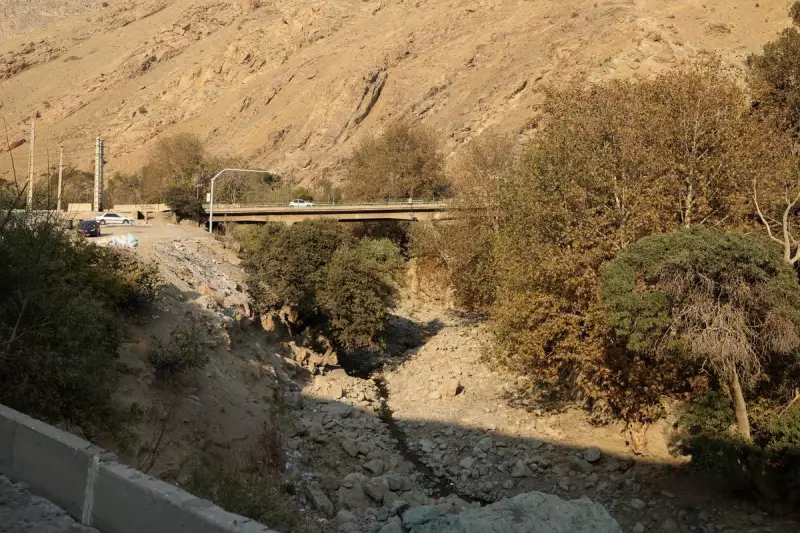
Authorities have issued urgent appeals for a 20% reduction in water consumption across affected regions. The severity of the situation was visually demonstrated by photographs showing vehicles crossing the dried-up Kan River west of Tehran, a waterway that would normally be flowing strongly.
As the drought continues with no immediate relief forecast, the spectre of mass evacuations from Iran's capital city represents an unprecedented challenge for the nation's leadership and infrastructure.