
Environmental Catastrophe Feared as Plastic Beads Invade Camber Sands
Southern Water is facing investigation after millions of contaminated plastic beads washed up on Camber Sands beach, creating what campaigners describe as the worst pollution event they have ever witnessed. The popular East Sussex beach, known for its rare dune habitat and vast golden sands, has become the centre of an environmental emergency that threatens local wildlife.
Dire Impact on Marine Life
Helena Dollimore, the MP for Hastings and Rye, has expressed grave concerns about the potential impact on marine creatures. Rare sea life including seabirds, porpoises and seals could ingest the beads and die, she warned. The Labour and Co-operative MP has written to Southern Water chief executive Lawrence Gosden demanding an immediate explanation and suspects the beads may have originated from a local water treatment centre.
Andy Dinsdale from the plastic pollution campaign group Strandliners described the scene as devastating. "This is the worst pollution event I have ever seen," he stated on Saturday. "Marine animals will ingest small plastic items once they are in the sea, they will attract algae, they will smell like food, effectively. Once they've eaten it, that's it: they can't get it out."
Race Against Time for Clean-up Volunteers
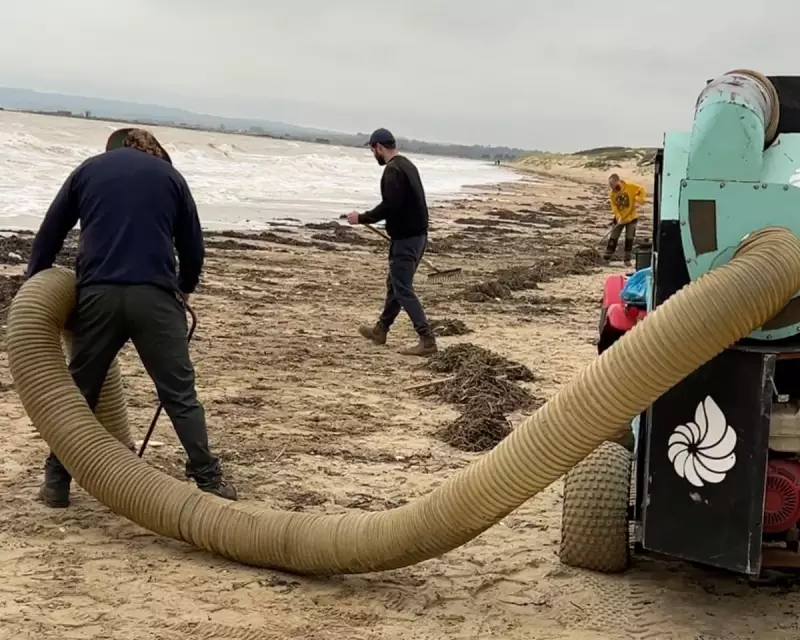
Volunteers have been working tirelessly to clear the beads, filling dozens of bags with the plastic waste. However, the scale of the pollution is so vast that complete removal appears impossible. Dinsdale explained the challenge: "They are so small that from a very long way off, the beach looks normal. But as soon as you get close up you see there are millions of black pellets, nestled under seaweed. It's an impossible task."
The clean-up effort has involved Camber residents, Rother district council, Rother coastal officers and Strandliners, using specialised vehicles with suction equipment. Strandliners have asked people wanting to help with the clean-up on Sunday and Monday to check with Rother district council first.
The beads pose additional dangers as they contain polycyclic aromatic hydrocarbons with carcinogenic properties and often contain toxins including lead, antimony and bromine, making them particularly hazardous to dogs and wildlife.
Southern Water Response and Ongoing Investigation
A Southern Water spokesperson confirmed they are working closely with the Environment Agency and Rother district council to investigate the source of the plastic beads. The company stated they have conducted water-quality sampling that showed no impact to environmental water quality, though this data is being reviewed by relevant authorities.
Meanwhile, the local community continues its desperate battle against the plastic invasion, with volunteers raking the sands for days in an effort to mitigate what could become a full-scale environmental catastrophe for one of England's most beloved coastal landscapes.