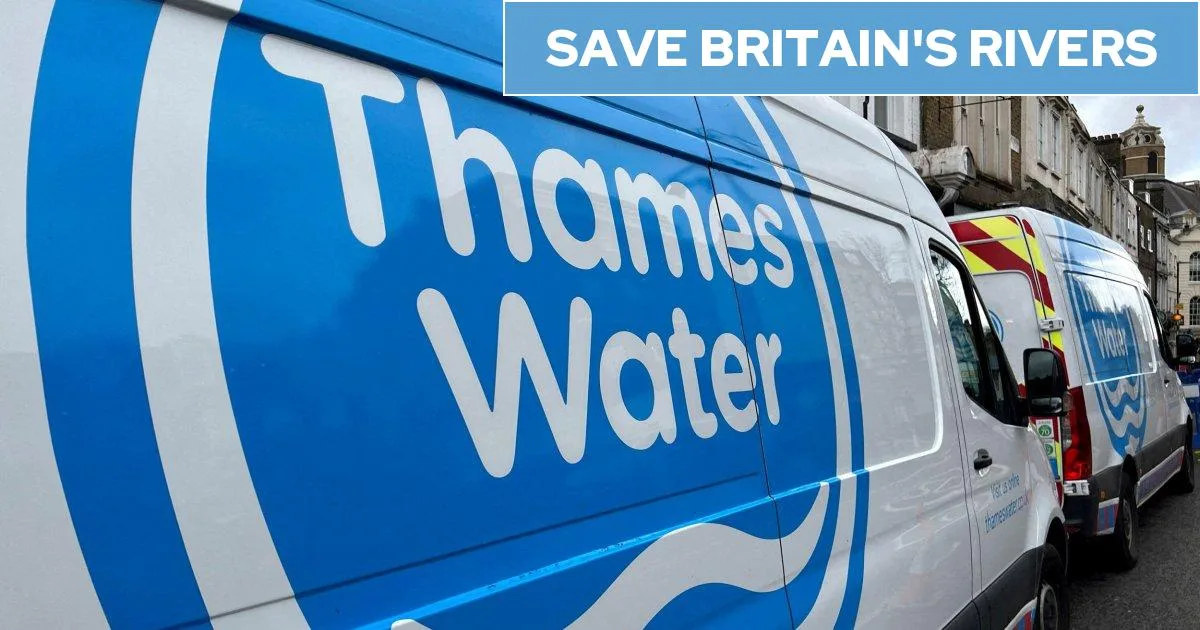
Thames Water, the UK's largest water company serving 16 million customers, is on the verge of financial collapse, with the government considering a taxpayer-funded bailout that could push water bills up by hundreds of pounds annually. The company, burdened by £15.2bn in debt as of July 2024—up £1.3bn from the previous year—has failed to meet payments on £1.4bn of debt and faces a cash crunch that may see it run out of money by May 2025.
Investors have refused to inject £500m after Ofwat rejected Thames Water's proposal to raise bills by 40% above inflation by 2030. The company is owned by Kemble, with Canadian pension fund OMERS holding the largest stake at 32%, alongside UK academic pensions and sovereign wealth funds from China and Abu Dhabi. Much of the debt stems from ownership by Macquarie, an Australian bank that extracted £2.8bn in dividends while loading the company with debt before selling it in 2017.
The new Water (Special Measures) Bill would allow the government to pass bailout costs to water firms, likely leading to higher bills. Thames Water has proposed a 59% bill increase by 2030, far above Ofwat's suggested 23%. A bailout could cost taxpayers over £10bn over five years, with average annual bills rising from £433 to £638 by 2030—an extra £696 per customer. However, the government may opt for a lower increase closer to Ofwat's plan.

Environment Secretary Steve Reed has ruled out nationalisation, arguing it would be costly and delay urgent investments. The government's priority is to find a new buyer for Thames Water, but with cash reserves dwindling, a bailout remains a 'last resort' option. The company's future hinges on securing new investment or regulatory compromise before the May 2025 deadline.