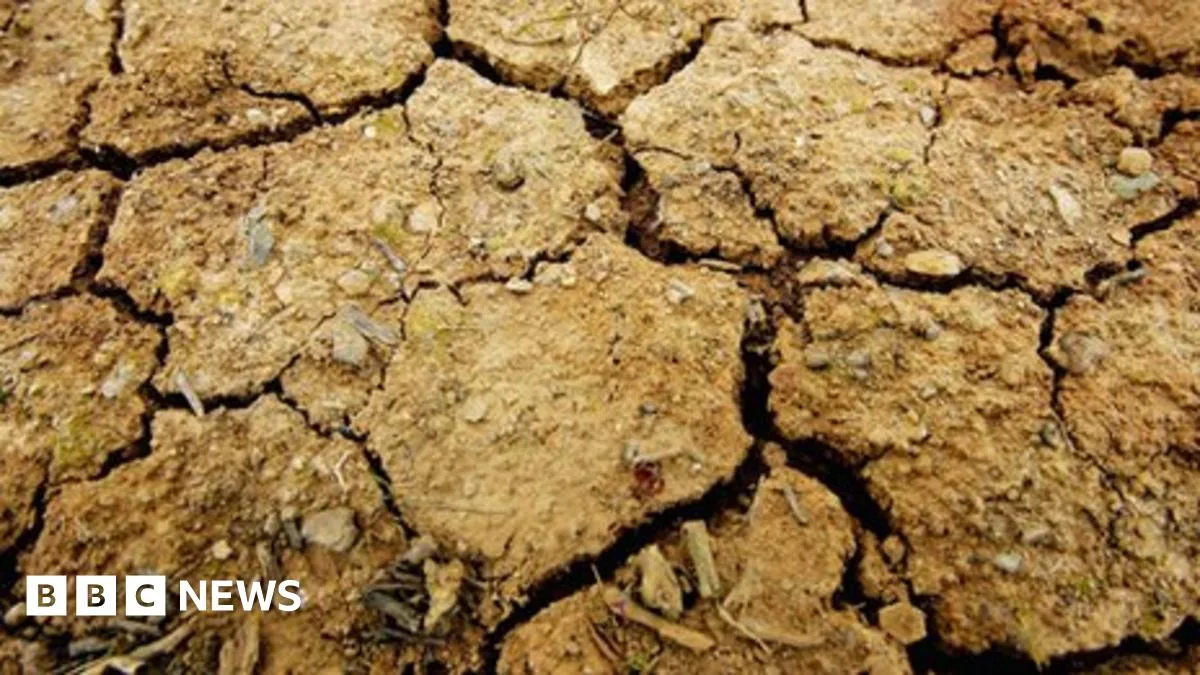
The UK is facing potential water shortages in five regions by 2030, according to experts, as population growth and climate change exacerbate drought risks. After two unusually dry winters, seven water companies in southern and eastern England are set to impose restrictions, with the Environment Agency warning that drought could spread if dry weather continues.
The Office for National Statistics predicts the UK population will rise by 10 million in the next 18 years, reaching 71.4 million by 2030 and 78.4 million by 2050. Climate projections suggest summer temperatures could increase by up to 4.6°C in southern England by 2050, leading to an 80% decrease in summer run-off water and leaving half of river basins in England and Wales deficient during summer months.
Proposed solutions include building new reservoirs, but past projects have faced planning hurdles. Thames Water’s £1bn reservoir plan in Abingdon, Oxfordshire, was rejected, though Environment Secretary Caroline Spelman has pledged to ease planning rules. Reservoirs, however, are costly and environmentally damaging, with critics noting that 1960s reservoirs built for industrial growth remain underused.

Desalination offers another option, with Thames Water’s £270m London plant capable of supplying 1 million people. However, it operates only during droughts due to high energy costs and carbon emissions. Waterwise managing director Jacob Tompkins called desalination “very expensive, very power hungry.”
Experts stress that while engineering solutions exist, long-term planning is needed to balance demand, cost, and environmental impact. The Scottish Environment Protection Agency and Northern Ireland Water report no short-term concerns but are working on long-term projections.