A new study has found that eight in ten parents introduce their favourite childhood characters to their own children. The research, which surveyed 1,000 UK parents with children aged ten and under, reveals that three-quarters of mums and dads still feel emotionally attached to the toys they grew up with.
Nostalgia and Emotional Connection
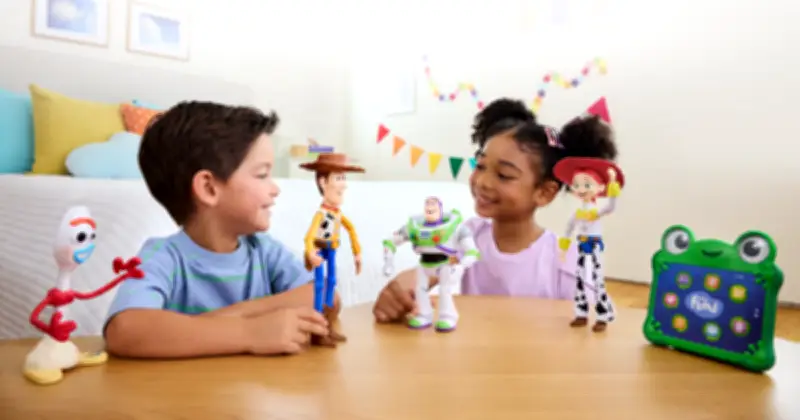
Half of the parents polled said they often feel nostalgic about the toys, characters and franchises from their youth. Nearly half (45%) reported that seeing their children engage with these classic toys sparks feelings of nostalgia and happiness. The study was commissioned by Mattel to explore how play is evolving for a new generation, coinciding with the launch of its Disney and Pixar 'Toy Story 5' line.
Changing Expectations of Play
While nostalgia remains strong, 80% of parents believe children today increasingly expect toys to be more responsive, interactive and immersive. The new Toy Story line includes classic toys from 30 years ago but with modern interactive features, such as the ability to have conversations, make sounds and react through movement.

Dr Jacqueline Harding, an international childhood development expert working with Mattel, explained: "We get attached to our toys because of the fictional worlds they teleport us into. For many adults, toys are tied to memories of comfort, creativity and identity during childhood. Seeing those same characters resonate with their own children can reactivate powerful memories and create a unique emotional bridge between generations."
She added: "What’s changing now is not the importance of imaginative play, but the way children’s brains experience it. Today’s children are growing up in an always-on interactive world, so naturally they expect play to feel more immersive and responsive."
Multi-World Play
The research suggests children now move between five different characters, franchises and fictional worlds in a single day, switching between toys, streaming shows, games and imaginative roleplay. In contrast, 21% of parents said their own childhoods were often shaped by just one or two make-believe worlds, according to the OnePoll.com data.
Toys as Experiences
More than two-thirds (68%) of parents believe modern toys now feel more like 'experiences' than traditional playthings alone, blending storytelling, movement, sounds and interaction into one connected play experience. Seven in ten (70%) think the most successful toys are those that evolve with each new generation, while 72% feel modern play has become more immersive and interactive than ever.
Despite these changes, parents are seeking balance. 88% agreed that screens and mobile devices can sometimes distract children from traditional imaginative play. Creativity remains the most important element of modern play for parents, with 48% selecting it as a top priority, ahead of imagination, learning and technology-led interaction.
Family Bonds
Regardless of how play evolves, nine in ten parents agreed that shared play remains important for strengthening family bonds and emotional connections. Catherine Ritman-Smith, head of learning and engagement at the Young V&A, which will host a closed panel event discussing these themes, said: "Play is a fundamental part of childhood, supporting learning, exploration and the development of new skills. While the ways children play may evolve, imagination remains at the heart of the experience. Children still want creativity, roleplay, adventure and emotional connection – and those qualities are as important today as they have ever been."