Merseyside has historically had some of the highest cancer rates in the UK, but leading health experts are now sharing advice on how residents can reduce their risk. According to recent statistics, Liverpool ranks above the national average for cancer mortality in the under-75 category, with 161.7 deaths per 100,000 compared to 121.6 nationally. Additionally, North West Cancer Research data from 2022 shows that Liverpool has 75% higher rates of liver cancer and 59% higher rates of lung, trachea, and bronchus cancer than the national average.
Key Risk Factors
Smoking, excessive alcohol consumption, and unhealthy diets are major risk factors. However, experts in Merseyside highlight additional ways to lower cancer risk.
Exercise and Breast Cancer
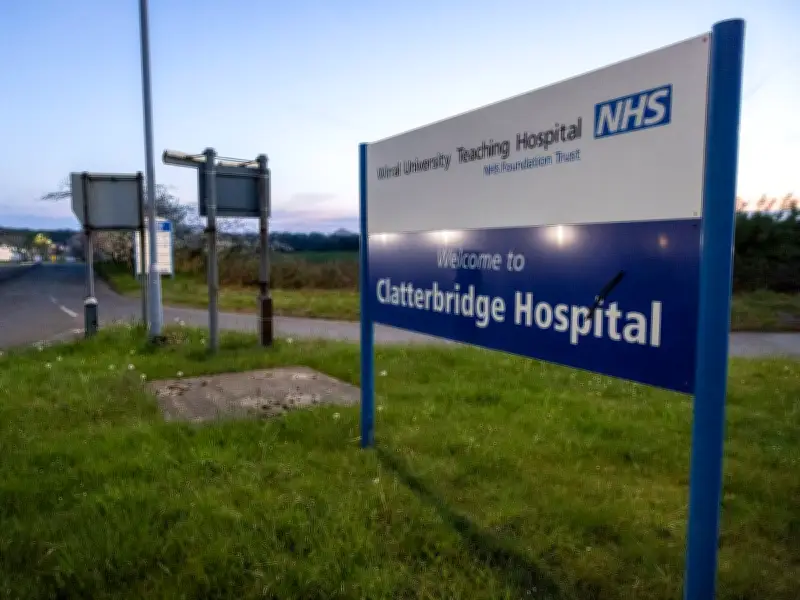
Dr Caroline Brammer, medical director and consultant clinical oncologist at the Clatterbridge Centre, emphasizes the role of exercise in reducing breast cancer recurrence. She states, "Studies have shown that exercise can reduce the risk of recurrence of breast cancer, as much as chemotherapy in some studies." She adds that for those diagnosed with breast cancer, an exercise program can significantly lower the chances of the cancer returning.

Mental Health Matters
Dr Brammer also notes that mental health can impact cancer outcomes. "If your mental health is so poor that you can't engage with treatment, that's going to affect your outcomes," she explains. While individuals may not always control their mental health, seeking support is crucial.
HPV Vaccine for Prevention
Dr Brammer stresses the importance of the HPV vaccine for teenagers. "One of the important things for young people and teenagers is take-up of the HPV vaccine. We're now vaccinating boys as well as girls, because the HPV virus is associated with head and neck cancers, cervical cancers, and penile cancers." The virus can be contracted in young adulthood and may not cause cancer for 20 to 30 years.
Awareness for Young People
John McCabe, medical director of Cheshire and Merseyside Cancer Alliance, highlights testicular cancer in young men. "There are specific cancers that are more common in younger people. A good example is testicular cancer in young men. They need to be aware of the signs." Programs in schools teach young men self-examination and early detection.
Positive Trends
Despite high historical rates, McCabe believes the tide is turning. "Early diagnosis rates are improving all the time, leading to better outcomes. Targeted screening programs in deprived populations are picking up lung cancer earlier, vastly improving survival compared to the national average."