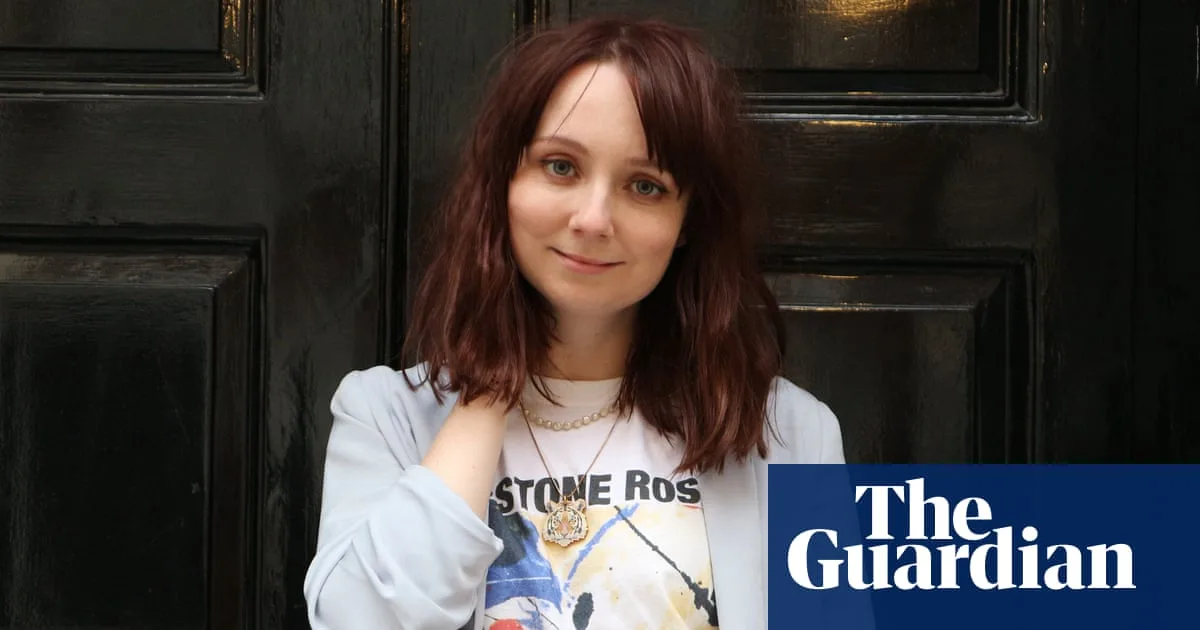
Fed up with the tedium of discussing the weather, a freelance writer decided to abandon small talk for 30 days. Instead of asking about traffic or how someone was, she posed unexpected questions like 'What's your star sign?' or 'What was your art teacher like?' The experiment, which began at a friend's art show in May, transformed her social interactions.
The writer, who had long found small talk stressful, set simple rules: politely deflect queries about wellbeing, weather, or children's achievements, and offer something genuinely interesting. At a writer's event, when a woman mentioned her children were off school, she asked about her favourite school subject. A barista who commented on the sunshine was asked about favourite seasons.
The results were revelatory. Most people welcomed the change, appearing relieved to skip forced rituals. She learned about a bartender's side hustle as a drag artist, a graduate's passion for beekeeping, and a mental health nurse's novel. Conversations became unpredictable and real.

There were awkward moments: some gave quizzical looks or excused themselves, and a few reacted with suspicion. But the writer didn't take it personally. By the end of the month, she realised small talk serves as a passport to connection, but it doesn't have to be followed rigidly.
Now, small talk no longer causes anxiety. She chooses how to engage without pressure to 'get it right'. The experiment helped her see that while we follow a script to find common ground, we can change that script.