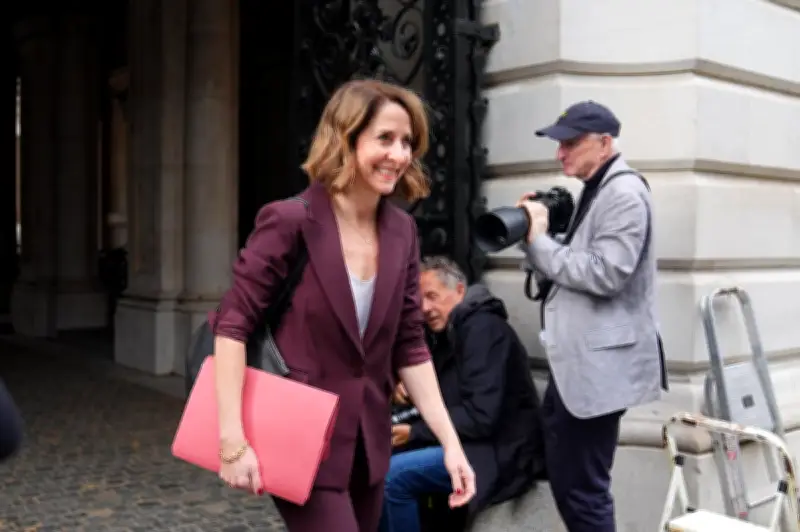
Technology Secretary Liz Kendall has acknowledged that the proposed social media ban for under-16s is not a "silver bullet," as she faced backlash from tech firms that would be affected by the restriction. Speaking to the BBC, Kendall admitted that many children would likely circumvent the ban but insisted it would lead to a "significant change in behaviour."
Tech Giants Push Back
Elon Musk, owner of social media platform X, described the ban as indefensible and akin to censorship. Other social media companies have also expressed doubts about the effectiveness of the Australian-style measures that the UK Government aims to introduce by spring next year.
Meta, the parent company of Facebook, stated it shares the government's goal of keeping teens safe online but argued that bans are not the solution. A Meta spokesperson warned that bans risk isolating teens from online communities and driving them to unregulated platforms without built-in protections. Similarly, YouTube cautioned that the ban could push children toward "less safe services."

Government's Stance
Kendall emphasized that the ban would provide clarity for parents and children, resetting expectations and social norms. She noted that the UK would employ "highly effective age-verification measures" to strengthen the ban beyond Australia's system. However, she acknowledged that children currently using social media would likely try to bypass the restrictions.
The ban is expected to cover platforms such as Snapchat, TikTok, YouTube, Instagram, Facebook, and X, but not messaging services like WhatsApp and Signal. Additional measures may include preventing children from chatting with adults on gaming and livestreaming platforms, as well as potential overnight curfews and limits on infinite scrolling for under-18s.
Mixed Reactions
Bereaved parents and child safety campaigners have welcomed the announcement, viewing it as a necessary step to protect young people from harmful content. However, the Molly Rose Foundation, established after the death of 14-year-old Molly Russell, criticized the ban as potentially "unenforceable" and accused the Prime Minister of choosing a politically expedient option over evidence-based solutions. The foundation highlighted that the ban may not address fundamental product safety issues, such as harmful content promoted by personalized algorithms.