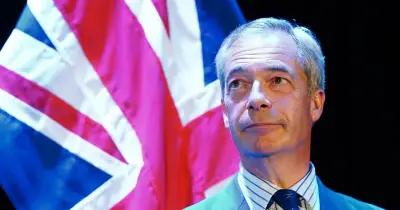
Focus groups in Warrington and Godalming reveal that Nigel Farage's association with Donald Trump is damaging Reform UK's appeal among suburban voters, according to research by More in Common. The groups, composed of 2019 Conservative voters, expressed reservations about Farage's leadership style and his ties to the former US president, which some see as a liability in seats like Godalming and Ash, a wealthy Surrey constituency that voted Remain in 2016.
In Warrington South, a marginal seat that swung to Labour in 2024, voters were more open to Reform, with some praising Farage for his convictions. Valerie, a receptionist in her 70s, said: 'I don't like him but he stands by his convictions.' However, in Godalming, participants were less enthusiastic. Jenna noted Farage 'seems more positive and proactive', but others worried about his divisive image.
The research also found that Robert Jenrick's defection to Reform failed to impress. Voters described him as 'scripted', 'not very convincing', and 'a bit of a drama queen'. Kemi Badenoch's dismissal of Jenrick was better received, with Sarah from Godalming saying she was 'blown away', though some feared it signalled a return to Conservative infighting.

On the broader political landscape, voters expressed deep concerns about the state of the country. In Warrington, Derek listed the NHS, police, and pensions as 'broken', while George highlighted the cost of living eroding solidarity. In Godalming, Allie described Britain as 'breaking, not broken yet', citing crime, small boats, and government waste.
The findings suggest Reform faces a challenge in broadening its appeal beyond its core base, particularly in suburban areas where Farage's Trump connection may alienate moderate voters. The party's claim to be a fresh alternative is also questioned, with Tom from Godalming joking that Reform could become 'like the Globetrotters', taking in Tory defectors.