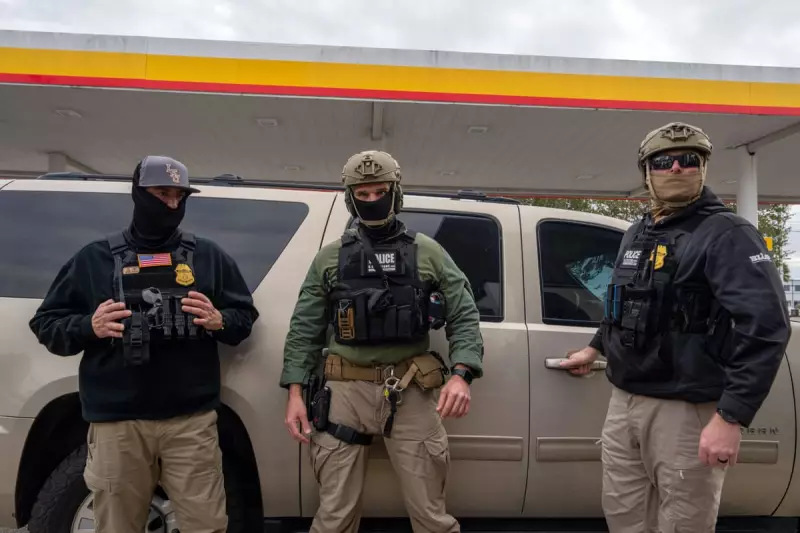
A shocking incident in New Orleans has ignited a fierce debate over the conduct of federal immigration authorities, after a US citizen was reportedly chased by agents from Immigration and Customs Enforcement (ICE). The event, which unfolded on a city street, has prompted an internal investigation and drawn condemnation from civil rights advocates.
The Chase and Its Immediate Aftermath
The confrontation occurred in the early hours of a December morning. According to witness accounts and official statements, a man was pursued by plain-clothed ICE agents. The individual, later confirmed to be a US citizen born in Puerto Rico, was reportedly unaware his pursuers were law enforcement officers. The chase only ended when the man managed to alert a nearby uniformed police officer.
Following the incident, the New Orleans Police Department (NOPD) confirmed they had intervened. The man was released after officers verified his citizenship status. ICE has since acknowledged the event, stating the agents were attempting to locate a different individual who was the subject of an immigration warrant. A spokesperson confirmed that an internal investigation is now underway to review the agents' actions.

Broader Concerns Over Enforcement Tactics
This case has amplified longstanding concerns about the methods used by federal immigration authorities. Advocacy groups have repeatedly warned that aggressive, unmarked operations risk violating the rights of both immigrants and citizens. The fact that the target was a US citizen from Puerto Rico—a US territory—has added a particularly sharp edge to the criticism.
Local officials and community leaders in New Orleans have expressed alarm. They argue such incidents erode public trust and create a climate of fear, where residents may be hesitant to cooperate with any law enforcement. The use of plain-clothed officers in operations, critics say, blurs the lines between legitimate policing and intimidation.
Legal and Political Repercussions
The fallout from the chase is likely to extend beyond an internal review. Legal experts suggest the citizen involved may have grounds for a civil lawsuit against the federal agency. More broadly, the incident provides fresh ammunition for lawmakers and activists who have called for stricter oversight and reform of ICE's operational protocols.
As the investigation proceeds, key questions remain unanswered. The agency must clarify what protocols were followed and why a US citizen was misidentified. The outcome will be closely watched, not just in New Orleans, but across the United States, as a test case for accountability in immigration enforcement.
This event in New Orleans serves as a stark reminder of the complex and often contentious nature of immigration enforcement. It underscores the critical need for precision, transparency, and respect for civil liberties in all operations conducted by federal authorities.