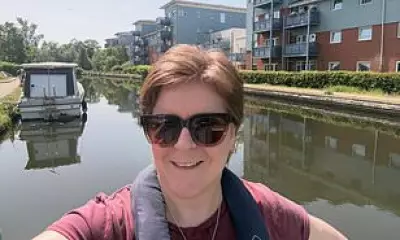
A prominent leadership professor has pushed back against calls to retire the term 'mansplaining', arguing it remains a crucial label for a persistent social phenomenon.
The Debate Over Language and Gender
The discussion was ignited by a recent Guardian column from Zoe Williams, who suggested the word had outlived its usefulness. Dr Amanda Nimon Peters, a professor of leadership at Hult International Business School, has challenged this view in a letter to the editor.
Williams contended that the term is sometimes misapplied to knowledgeable men. However, Dr Nimon Peters argues that this occasional misuse does not negate the reality of the behaviour it describes. She states that abandoning the term would be akin to 'gaslighting women generally into believing that the phenomenon does not exist'.

Research Backs the Phenomenon
The academic points to substantive research that validates the concept. She highlights a piece published by The Conversation, authored by professors Louise Ashley and Elena Doldor from Queen Mary University of London.
Their work, which emerged after Shadow Chancellor Rachel Reeves used the term, documents why mansplaining is a genuine issue. They note that while anyone can be a perpetrator or target, the term carries specific weight because it 'reflects deeper cultural patterns in which authority is still coded as male', and often white and middle or upper class.
Implicit Bias and Perceived Authority
Dr Nimon Peters draws on her own research into implicit bias, stating it is so common that its effects can be demonstrated with very small sample sizes. This bias shapes how we unconsciously judge another person's expertise or authority.
The core of her argument is that the term 'mansplaining' will only become obsolete when society stops instinctively associating authority with men. Until that cultural shift occurs, she maintains, the word remains a necessary and relevant part of our lexicon for identifying and discussing the pattern.
The Guardian's letters section continues to host this debate, inviting readers to contribute their perspectives on the issue of language, gender, and power dynamics.