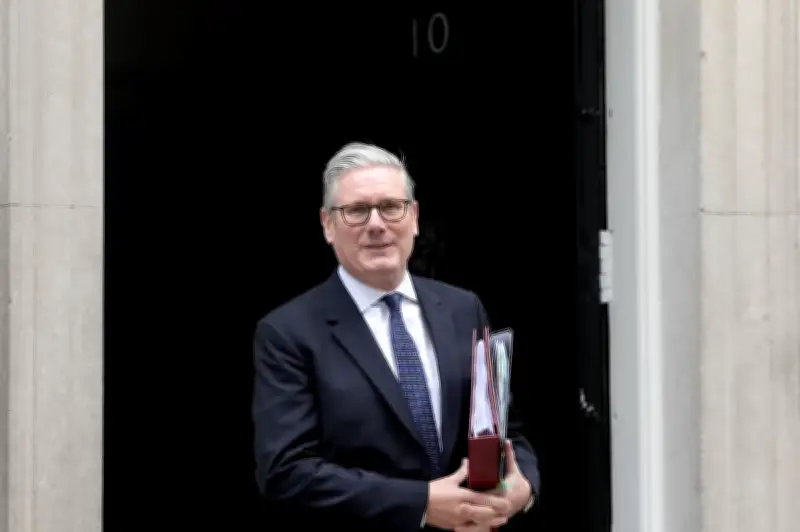
Sir Keir Starmer has admitted he must “turn things around” if he is to remain Prime Minister and lead Labour into the next general election, following the resignation of defence secretary John Healey and armed forces minister Al Carns over a long-delayed defence investment plan (Dip). The Prime Minister’s fragile authority has suffered a significant blow, with the resignations coming amid a precarious period for his premiership since May’s election results across England, Wales, and Scotland.
Starmer’s Response to the Crisis
Speaking to the BBC, Sir Keir insisted that defence spending remains a priority and that he has taken the “difficult decisions” necessary to keep the country safe. He rejected calls for a leadership election, stating, “I don’t think we should plunge the country into the chaos of a leadership election,” but confirmed he would fight any challenge. “That’s not about personal vanity, it’s not about stubbornness. It’s out of a very deep sense of duty,” he added.
When asked if he would lead Labour into the next general election, expected in 2029, Sir Keir said, “Well, that’s what I want to do. I recognise that I’ve got to turn things around. We had a very bad set of elections.”

Resignation Details and Funding Dispute
In his resignation letter on Thursday, Mr Healey accused the Prime Minister of being “unable, and the Treasury of being unwilling” to provide adequate funding for the Dip. Military chiefs had called for around £28 billion over four years, while officials sought approximately £18 billion. However, the Dip promised just £13.5 billion, of which only £10 billion was new cash. Defence sources claimed the remaining £3.5 billion was “Treasury trickery,” likely from expected efficiency savings or cuts. Mr Healey also criticised the funding as “backloaded” to later years, despite urgent needs.
Mr Carns, a highly decorated Royal Marines officer, said the funding plan lacked sufficient resources and was not “transformational” enough to address modern warfare challenges, such as the use of drones in the Ukraine conflict. He urged Sir Keir to stay to “steady the ship” but did not rule out a future leadership bid.
Political Implications and Leadership Speculation
The resignations have intensified speculation about Sir Keir’s future, with Andy Burnham, who hopes to return to Westminster in the Makerfield by-election, and former health secretary Wes Streeting seen as potential leadership contenders. Both have made no secret of their ambitions.
Newly appointed Defence Secretary Dan Jarvis visited No 10 for talks on Friday morning, alongside Chief of the Defence Staff Air Chief Marshal Sir Richard Knighton. A No 10 spokeswoman confirmed that work to finalise the Dip continues, with a deadline of the Nato summit in July. The plan was originally due in autumn 2025 but was delayed by the funding dispute that forced Mr Healey out.
Government’s Defence Commitment
The Government has committed to spending 3.5% of GDP on defence by 2035, but Mr Healey said the plan he saw moved too slowly, with spending rising to just 2.68% in 2030 after hitting 2.6% next year. Sources indicated that the Treasury’s offer did not set a date for reaching 3% and attempted to push the target to 2034/35. Sir Keir denied this was a promise of “jam tomorrow,” stating, “It’s very important that when I make commitments on something as important as defence that I’m able to point to what the funding is. I’ve tackled it head on and I have taken the decision to reallocate from other departments. That’s not easy.”