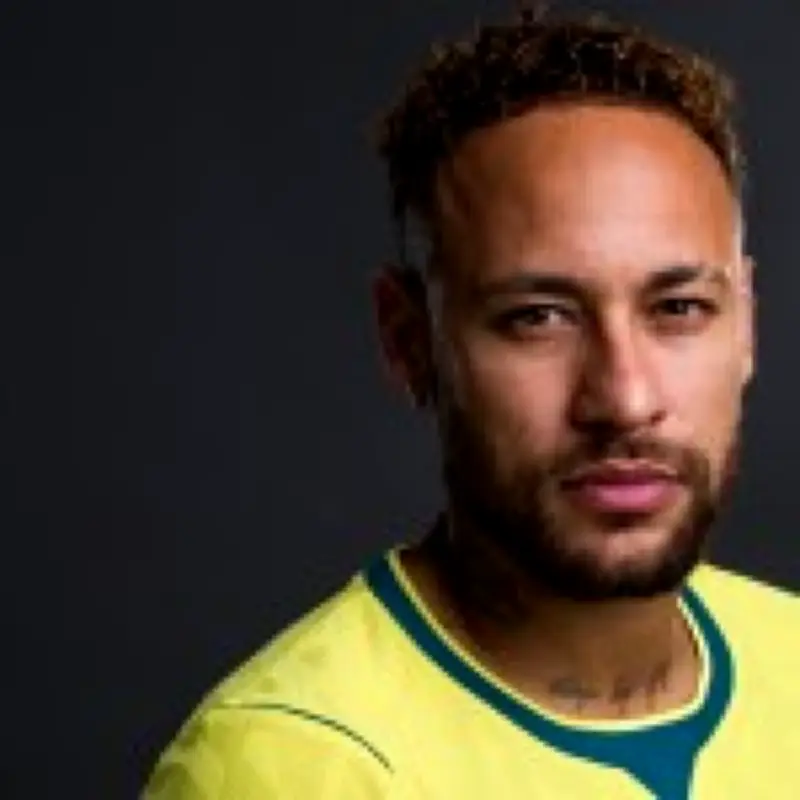
Neymar will not be involved in Brazil's opening World Cup match against Morocco tonight as he continues to recover from a calf injury. The former Barcelona and Paris Saint-Germain star has not played for the Selecao since 2023, with a series of injury problems keeping him out of the international picture.
He was welcomed back by Carlo Ancelotti last month, selected for the squad ahead of Chelsea star Joao Pedro and Tottenham's Richarlison. However, there have been major question marks over his fitness, with the 34-year-old picking up a calf strain just days after his return to the national team was confirmed.
Injury Details and Recovery Timeline
Brazil made the decision to keep the forward in the squad rather than bringing in a replacement, with tests revealing he had suffered a grade two calf injury. The expectation has been for a number of weeks that Neymar would be a doubt for tonight's opener against Morocco, with Ancelotti confirming on Friday he would not be ready in time.

Now back playing for boyhood club Santos, he is still to return to training, but it is hoped he will rejoin his teammates next week and be available for Haiti next Saturday.
The injury Neymar is dealing with can be troublesome, particularly when there is pressure to get the player back as soon as possible. Brazil will be expected to safely qualify from Group C, which also includes Scotland, even without their all-time leading goal scorer.
Expert Analysis on Calf Strain Recovery
Stephen Smith, CEO and founder of Kitman Labs, which specialises in injury welfare, told Metro: 'Typical timelines for a grade two calf strain are usually four to six weeks. The injury does date back to mid-May, so he would already be making progress, and that gives them a good chance.'
'A grade two injury normally involves more damaged muscle fibres, there's more pain, more swelling, more strength reduction. It requires a more structured period of rehab and requires more time to restore that strength and flexibility.'
'Even if Neymar passes the fitness tests, I would say they face a pretty genuine dilemma in terms of playing him in games at less than full strength. It will risk not just performance, but if he's put in too early and they do progress in the tournament, you potentially blow up the opportunity for him to really contribute in the stages that matter.'
'The smart approach, and that is what has been hinted at, is targeting anything past game two as a realistic return. It's a challenging one for them, and they will want to make sure they don't get him back out there too quickly.'
Looking Ahead
While there is hope he will be available again for the second group game, there will be plenty of caution to ensure he is in the best possible condition for the knockout stages of the competition, where the bigger tests will lie.