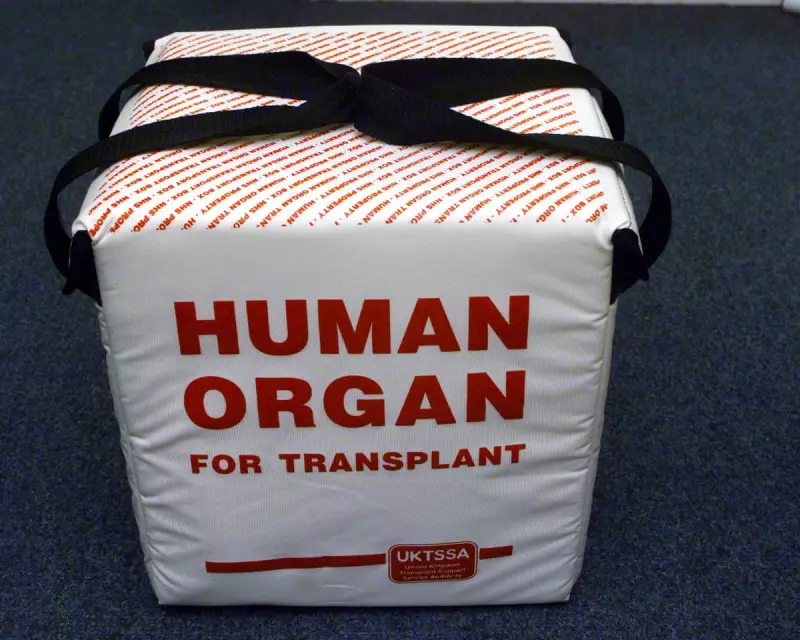
Thousands of patients across the globe remain in limbo, awaiting a potentially life-saving organ donor. A groundbreaking new development from Stanford University now promises to dramatically improve their chances.
The Transplant Bottleneck
Doctors have created an artificial intelligence tool that could reduce wasted efforts in organ transplantation by a staggering 60%. The crisis is stark: far more candidates languish on transplant waiting lists than there are available organs, a situation felt acutely within the UK's own NHS.
In recent years, one method to increase access to liver transplants has been to utilise donors who die after cardiac arrest, known as Donation after Circulatory Death (DCD). However, this approach carries a significant flaw. In approximately half of all DCD cases, the planned transplant is ultimately cancelled.

This high failure rate stems from a critical time constraint. For the organ to remain viable, the time between the removal of life support and the donor's death must not exceed 45 minutes. If the donor does not pass away within this narrow window, surgeons are often forced to reject the liver due to the heightened risk of complications for the recipient.
How the AI Model Works
A team of doctors, scientists, and researchers at Stanford University has tackled this problem head-on with a sophisticated machine learning model. This AI tool is designed to predict with remarkable accuracy whether a donor is likely to die within the crucial timeframe that keeps their organs suitable for transplantation.
The model was trained on a vast dataset from more than 2,000 donors across several transplant centres in the United States. It analyses a donor's neurological, respiratory, and circulatory data to forecast their progression towards death. In tests, this AI outperformed the judgment of top transplant surgeons.
Researchers confirmed the tool's effectiveness through both retrospective and prospective testing, achieving its primary goal: a 60% reduction in futile procurements. A futile procurement occurs when medical teams begin preparations for organ recovery, only for the donor to die outside the viable window, rendering the organs unusable.
Implications for the Future of Transplants
The implications of this breakthrough, detailed in the Lancet Digital Health journal, are profound. Dr Kazunari Sasaki, a clinical professor of abdominal transplantation and the study's senior author, emphasised the model's dual benefit.
"By identifying when an organ is likely to be useful before any preparations for surgery have started, this model could make the transplant process more efficient," Dr Sasaki stated. "It also has the potential to allow more candidates who need an organ transplant to receive one."
Beyond the obvious human cost, these cancelled procedures place a substantial financial and operational strain on transplant centres. The new, reliable, data-driven tool empowers healthcare staff to make better-informed decisions, optimising the use of precious organs and conserving vital resources.
The research team highlighted this as a significant step forward, noting "the potential for advanced AI techniques to optimise organ utilisation from DCD donors." Looking ahead, they plan to adapt the AI tool for trials involving heart and lung transplants, potentially expanding its life-saving impact across other critically scarce organ fields.